
Kyle Davis is the owner of Davis Car Care and Tire Center/Davis Details, with 17 years of experience in the automotive field. As an ASE-certified professional, Kyle is known for his leadership, financial savvy, and commitment to providing transparent, fair pricing in the auto detailing industry. His business philosophy emphasizes customer trust and strong business practices.
Different Types of Window Tint for Cars Explained for Better Heat and UV Protection
June 12, 2026
Stepping into a vehicle that has been parked in direct sunlight can be uncomfortable. The cabin often feels excessively hot, the steering wheel becomes difficult to touch, and the sun's glare can make driving more challenging. Beyond comfort concerns, prolonged sun exposure can damage your vehicle's interior and expose drivers and passengers to harmful ultraviolet (UV) rays. This is where understanding the different types of window tint for cars becomes important. Modern window tint technology offers much more than privacy and appearance enhancement. Today's advanced films are specifically engineered to reduce heat, block UV rays, minimize glare, and improve overall driving comfort. However, not all window tints perform equally. Some provide basic protection, while others offer industry-leading heat rejection and UV defense.
Choosing the right window tint can significantly improve your driving experience. Whether you want to keep your vehicle cooler during Virginia Beach summers, protect your interior investment, or reduce eye strain while driving, selecting the proper tint film makes a noticeable difference.
At Davis Details, we help vehicle owners find premium window tint solutions tailored to their needs. From high-performance carbon films to advanced ceramic and graphene-infused technologies, we provide professional installations designed to maximize comfort, protection, and long-term value. This guide explains the different types of window tint for cars, compares their performance, and helps you determine which option best suits your vehicle.
1. Window Tint for Cars Explained – Carbon Window Tint
Among the different types of window tint for cars, carbon window tint has become one of the most popular choices for drivers seeking an excellent balance between performance and affordability. Unlike traditional dyed films, carbon window tint contains carbon particles that help block infrared heat before it enters the vehicle. This technology allows carbon tint to provide better heat rejection without relying on metal components that can interfere with electronic signals.
One of the biggest advantages of carbon tint is its ability to keep the cabin cooler during hot weather. Because it effectively blocks infrared radiation, it reduces the amount of heat that enters through the glass. As a result, drivers often rely less on air conditioning, which can improve overall driving comfort. Carbon window tint also offers excellent UV protection. Most premium carbon films block up to 99% of harmful UV rays, helping protect vehicle occupants and preserving interior materials such as leather seats, dashboards, and door panels.
Benefits of Carbon Window Tint
- Superior heat rejection compared to dyed films
- Blocks up to 99% of harmful UV rays
- Reduces glare from sunlight and headlights
- Does not interfere with GPS, Bluetooth, or cellular signals
- Provides a rich, non-fading appearance
- Offers strong durability and longevity
Many drivers choose carbon tint because it delivers noticeable performance improvements without the higher cost associated with premium ceramic options.
Who Should Choose Carbon Window Tint?
Carbon tint is often ideal for:
- Daily commuters
- Family vehicles
- Work trucks
- Budget-conscious vehicle owners
- Drivers seeking improved comfort without premium pricing
For many vehicle owners, carbon tint represents an excellent middle ground between affordability and performance.
2. How Different Window Tint Types Compare
Understanding how the different types of window tint for cars compare can help simplify your decision-making process.
Carbon Window Tint
Carbon tint utilizes carbon-based particles to improve heat rejection and durability.
Pros:
- Excellent heat reduction
- Signal-friendly technology
- Long-lasting appearance
- Good UV protection
Ceramic Window Tint
Ceramic tint uses advanced nano-ceramic particles to block heat and UV rays.
Pros:
- Exceptional heat rejection
- Outstanding UV protection
- Crystal-clear visibility
- No signal interference
Graphene Infused Ceramic Tint
Graphene represents the newest advancement in automotive tint technology.
Pros:
- Industry-leading heat rejection
- Outstanding durability
- Superior UV protection
- Enhanced optical clarity
- Advanced infrared blocking capabilities
3. Davis Details Window Tint Performance Options
At Davis Details, we offer premium STEK window film solutions designed to meet a variety of comfort, performance, and budget requirements.
3.1: STEK Action Series Carbon Window Tint
Our STEK Action Series Carbon Window Tint package delivers exceptional value for drivers seeking comfort and affordability.
With up to 68% infrared heat reduction, this carbon-based film helps reduce cabin temperatures and improve driving comfort during Virginia Beach's hottest months.
Benefits Include
- 68% infrared heat reduction
- Enhanced interior comfort
- Excellent UV protection
- Reduced glare
- Affordable premium performance
Package Pricing
- Window Strip – Starting at $80
- Front 2 Windows – Starting at $160
- Full Windshield – Starting at $160 (Ceramic Film Only)
- All Sides and Rear Window – Starting at $435
This option is perfect for drivers looking for dependable heat reduction without stepping into premium ceramic pricing.
3.2: STEK Smart Series Ceramic Window Tint
For drivers seeking higher performance, our STEK Smart Series Ceramic Window Tint offers enhanced protection and comfort. This advanced ceramic film delivers up to 76% infrared heat rejection, significantly reducing interior temperatures while providing superior UV protection.
Benefits Include
- 76% infrared heat rejection
- Enhanced UV protection
- Reduced interior fading
- Improved driving comfort
- No signal interference
Package Pricing
- Window Strip – Starting at $120
- Front 2 Windows – Starting at $240
- Full Windshield – Starting at $240
- All Sides and Rear Window – Starting at $635
Many Virginia Beach drivers choose this option because it balances premium performance with long-term value.
3.3: STEK NEX Graphene Infused Ceramic Window Tint
For maximum performance, our STEK NEX Graphene Infused Ceramic Window Tint package represents the latest advancement in window film technology.
Infused with graphene, this premium film delivers up to 98% infrared heat rejection, providing exceptional protection against heat buildup, UV rays, and glare.
Benefits Include
- Up to 98% infrared heat rejection
- Advanced graphene technology
- Outstanding UV protection
- Reduced glare
- Superior driving comfort
- Premium durability
Package Pricing
- Window Strip – Starting at $185
- Front 2 Windows – Starting at $375
- Full Windshield – Starting at $375
- All Sides and Rear Window – Starting at $835
Drivers who prioritize maximum comfort and cutting-edge technology often select this package for its unmatched performance.
4. How to Choose the Right Window Tint Option
Choosing the right window tint option starts with understanding what you want the film to do for your vehicle. Some drivers want better privacy and a cleaner appearance, while others care more about heat rejection, UV protection, glare reduction, and long-term comfort. Because there are different types of window tint for cars, the best choice depends on your driving habits, local weather, vehicle type, and budget. A basic dyed film may improve the look of your vehicle, but it will not deliver the same level of heat control as carbon, ceramic, or graphene-infused ceramic tint. If your main goal is to keep your cabin cooler during hot days, you should focus more on infrared heat rejection than simply choosing the darkest shade available.
Start by thinking about how often you drive in direct sunlight. If you commute daily, park outdoors, or spend long hours on the road, a higher-performance film can make a noticeable difference. Carbon window tint is a strong choice for drivers who want better heat reduction and UV protection at a practical price point. Ceramic tint is a better option for those who want stronger heat rejection, clearer visibility, and improved comfort without signal interference. Graphene-infused ceramic tint is ideal for drivers who want the highest level of performance, especially if they want maximum infrared heat rejection, advanced UV resistance, and a more comfortable interior in extreme sun exposure.
Your budget should also guide your decision, but it should not be the only factor. Lower-cost films may seem appealing upfront, but they can fade, bubble, or lose performance faster over time. A premium film may cost more at installation, yet it can provide better comfort, longer durability, and stronger protection for your vehicle’s interior. For example, Davis Details offers the STEK Action Series Carbon Window Tint for drivers who want comfort and affordability, the STEK Smart Series Ceramic Window Tint for enhanced UV protection and interior comfort, and the STEK NEX Graphene Infused Ceramic Window Tint for advanced heat-blocking performance. Each option serves a different need, so the right choice depends on the level of protection and comfort you expect from your vehicle.
5. When Should You Upgrade Your Vehicle Window Tint?
You should upgrade your vehicle window tint when your current film no longer provides the comfort, protection, or appearance you expect. Over time, older window tint can start to fade, bubble, peel, or turn purple. These signs usually mean the film has weakened and may no longer block heat and UV rays effectively. If your vehicle feels hotter than it used to, even with tint installed, it may be time to consider a newer and higher-performing film.
Another reason to upgrade is poor heat rejection. Many older or low-quality films were designed mainly for privacy and appearance, not advanced temperature control. Today’s carbon, ceramic, and graphene-infused ceramic films offer much stronger infrared heat rejection. This can make your cabin feel cooler, reduce glare, and help your air conditioning work more efficiently during hot weather. For drivers in sunny areas like Virginia Beach, upgrading to a better tint can make daily driving much more comfortable. You should also think about upgrading if your vehicle’s interior is showing signs of sun damage. Faded seats, cracked dashboards, dry leather, and discolored trim can all result from repeated exposure to sunlight and UV rays. A premium window tint can help protect these surfaces by reducing UV exposure and limiting heat buildup inside the vehicle. This is especially important if you own a newer vehicle, luxury car, family SUV, or any vehicle you plan to keep for several years.
It may also be the right time to upgrade your window tint if you recently purchased a vehicle with factory glass or basic tint. Factory privacy glass may darken the rear windows, but it often does not provide the same level of infrared heat rejection as professional window film. Adding a high-quality carbon, ceramic, or graphene-infused ceramic tint can improve comfort and protection across the entire vehicle, including the front windows and windshield strip where legally allowed.
In many cases, upgrading your vehicle window tint is not just about replacing damaged film. It is also about improving your driving experience with newer technology. If you want better heat rejection, stronger UV protection, clearer visibility, and a cleaner appearance, a modern tint film can be a smart investment. Davis Details offers STEK Action Series Carbon, STEK Smart Series Ceramic, and STEK NEX Graphene Infused Ceramic window tint options, giving drivers a range of solutions based on their comfort goals, budget, and desired level of protection.
6. Where Window Tint Provides the Greatest Benefits
The benefits of window tint extend beyond appearance.
Daily Commuting
Window tint helps reduce fatigue by minimizing glare and maintaining a more comfortable cabin temperature.
Long Road Trips
Reduced heat buildup makes extended travel more enjoyable for drivers and passengers.
Family Vehicles
Children and passengers benefit from increased UV protection and reduced sun exposure.
Luxury Vehicles
Premium interiors remain protected from fading and cracking.
Work Trucks and Commercial Vehicles
Drivers spend significant time on the road, making heat reduction and comfort especially valuable.
Coastal Communities Like Virginia Beach
The combination of strong sunlight, humidity, and summer temperatures makes premium window tint particularly beneficial.
Conclusion
Understanding the different types of window tint for cars allows you to make an informed decision based on your vehicle, budget, and performance goals. While dyed and metalized films offer basic benefits, modern carbon, ceramic, and graphene technologies provide significantly better heat rejection, UV protection, and long-term durability. For drivers seeking reliable performance at an affordable price point, carbon tint remains an excellent choice. Those wanting enhanced comfort and superior protection often gravitate toward ceramic films. For the ultimate combination of heat rejection, UV defense, and advanced technology, graphene-infused ceramic tint stands at the top of the market.
At
Davis Details, we help Virginia Beach drivers choose the right tint solution based on their unique needs. Whether you're interested in our STEK Action Series Carbon, STEK Smart Series Ceramic, or STEK NEX Graphene Infused Ceramic films, our team is committed to delivering professional installation and exceptional results. Ready to improve your vehicle's comfort, reduce heat, and protect your interior? Contact
Davis Details today to learn more about our professional window tint services and discover which premium STEK film is the perfect fit for your vehicle.
Compare Car-pro SiC vs System X Pro+ ceramic coatings for gloss, warranty, wheel coverage, and long-term protection in Virginia Beach. Find your fit today.
Is PPF worth it for long-term car ownership? Learn how paint protection film protects your vehicle and explore PPF options in Virginia Beach, VA.
Compare partial front vs full front PPF for Virginia Beach daily drivers. Learn coverage differences, costs, and which Davis Details package fits your car.
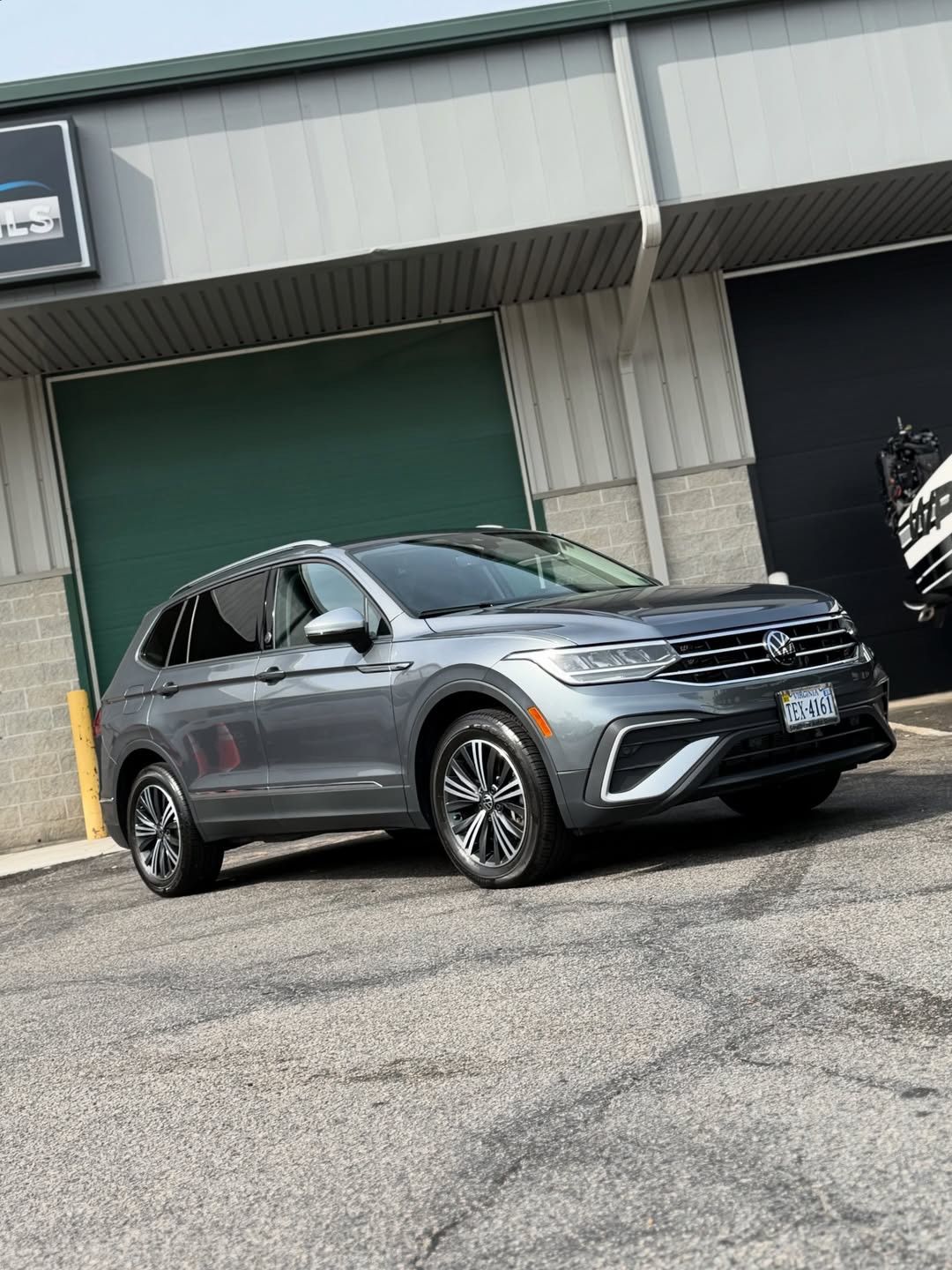
Learn how to maintain ceramic coating for long-lasting gloss, protection, and hydrophobic performance with tips from Davis Details in Virginia Beach, VA.

Discover 10 benefits of ceramic coating for cars, from lasting gloss to easier maintenance. Contact Davis Details in Virginia Beach for a free quote.
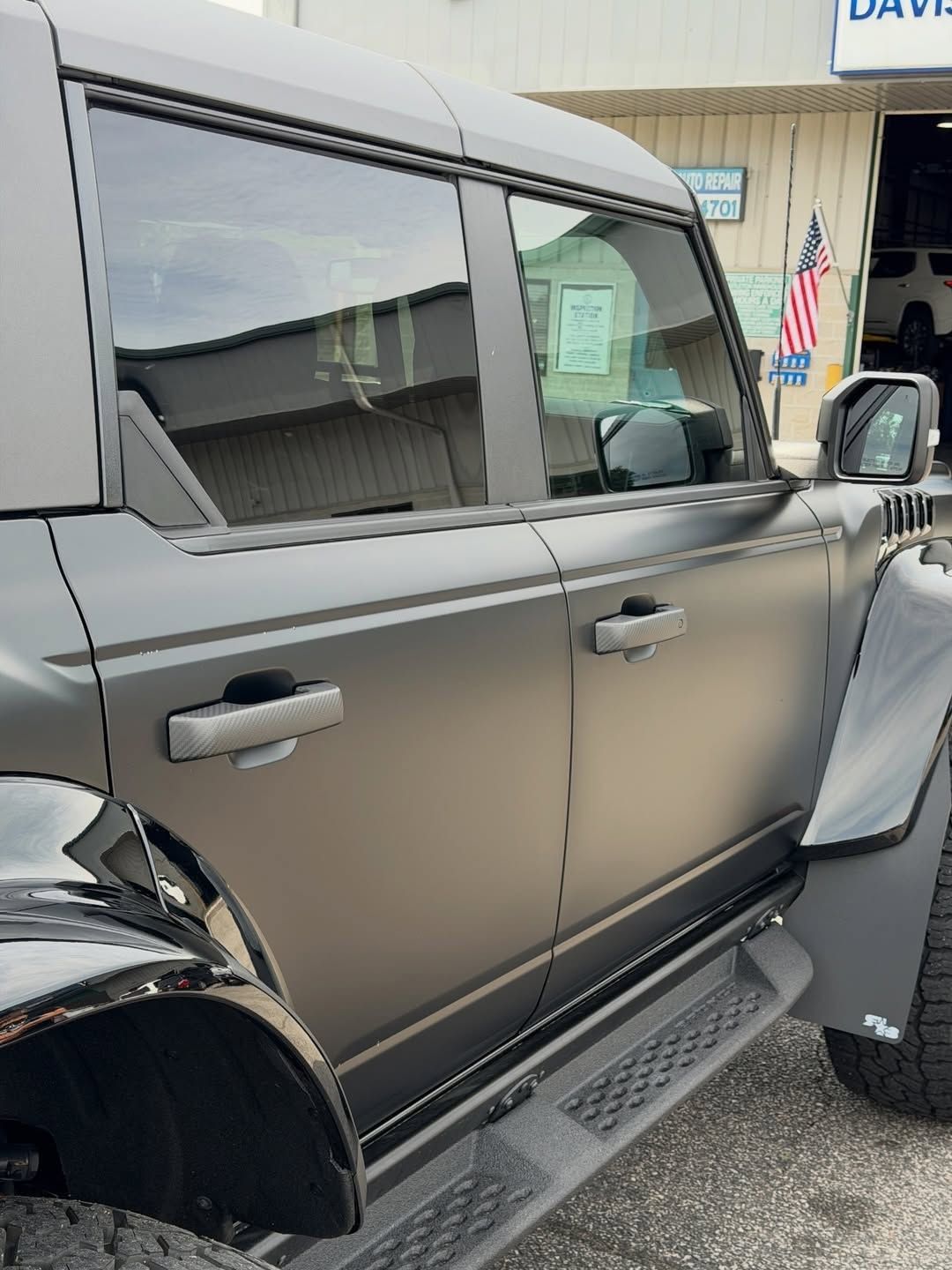
Find professional window tint in Virginia Beach with Davis Details. Learn how premium STEK films improve heat rejection, UV protection, glare, and comfort.
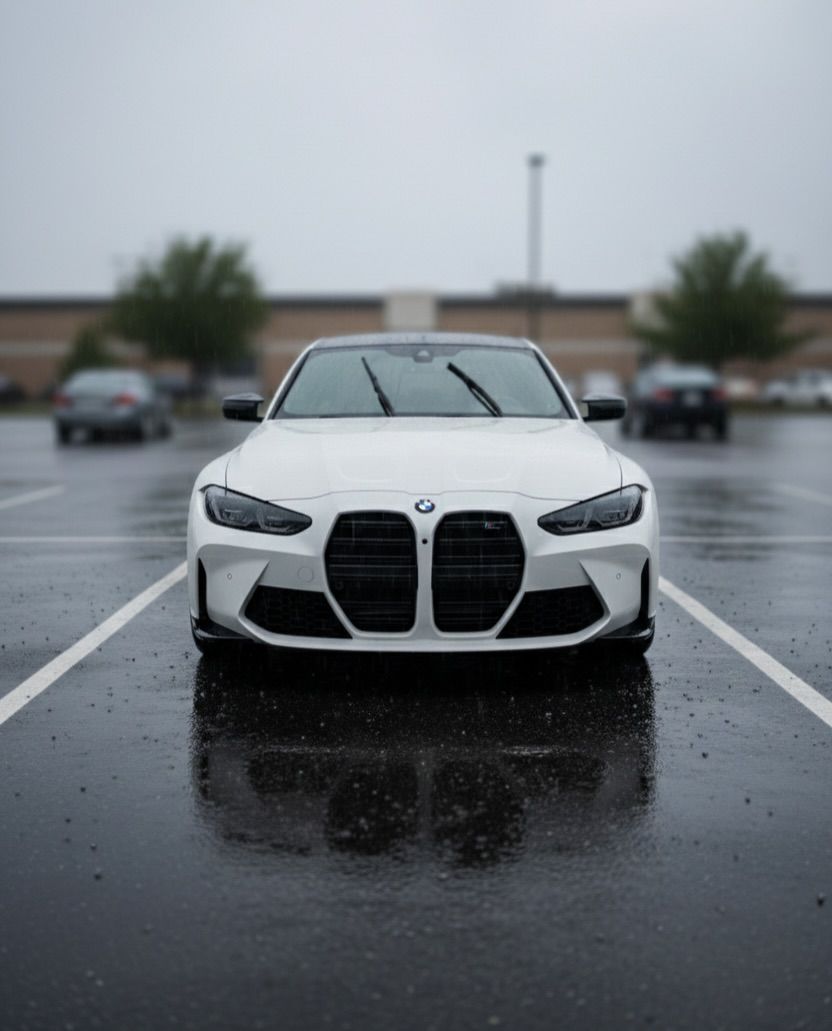
Discover the top 5 signs your vehicle needs paint protection film in Virginia Beach, VA. How PPF helps protect against rock chips, UV damage & daily road debris.
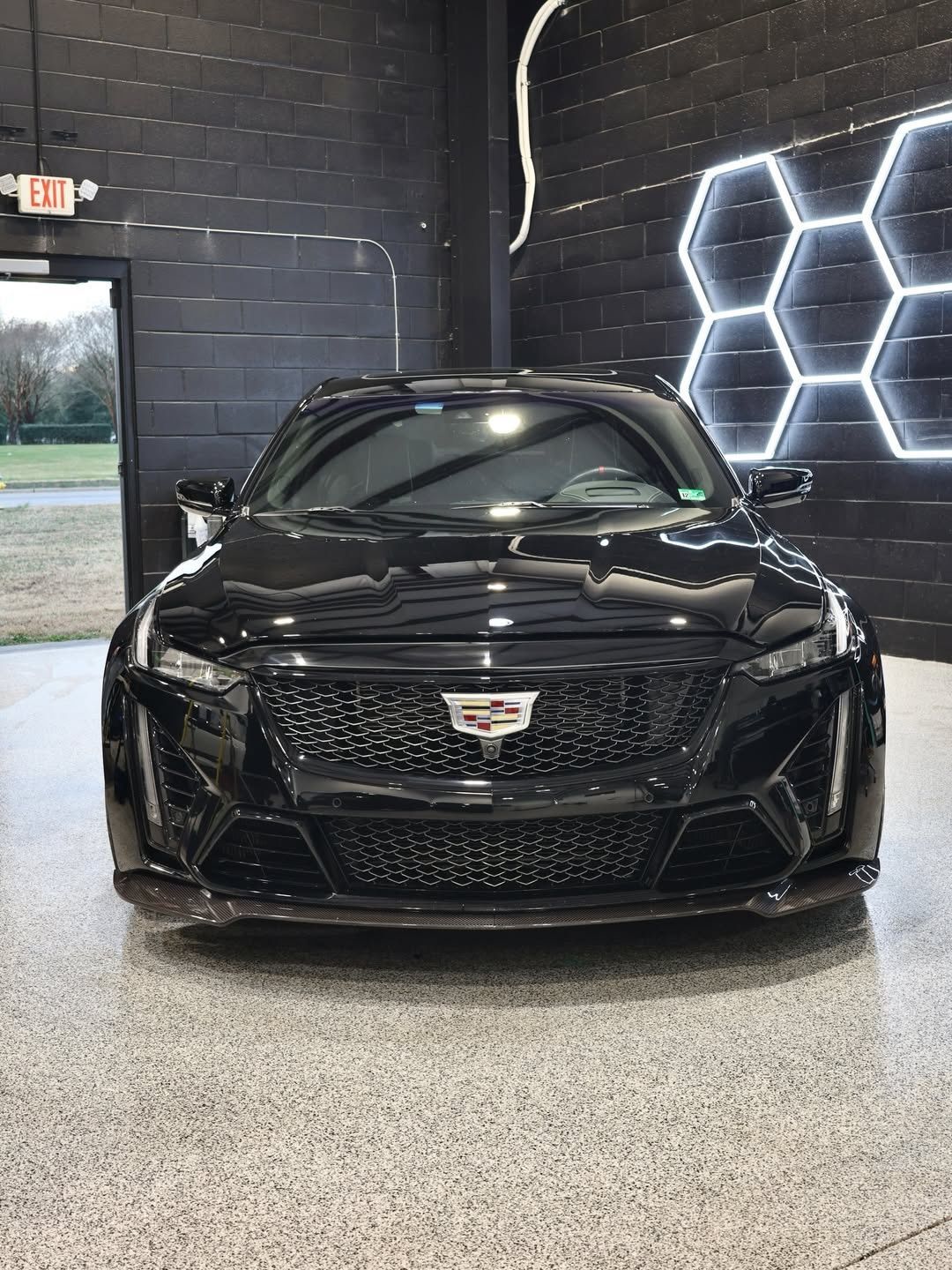
Learn the top benefits of paint protection film for rock chip defense, UV protection, easier cleaning, and resale value. Visit Davis Details in Virginia Beach, VA.
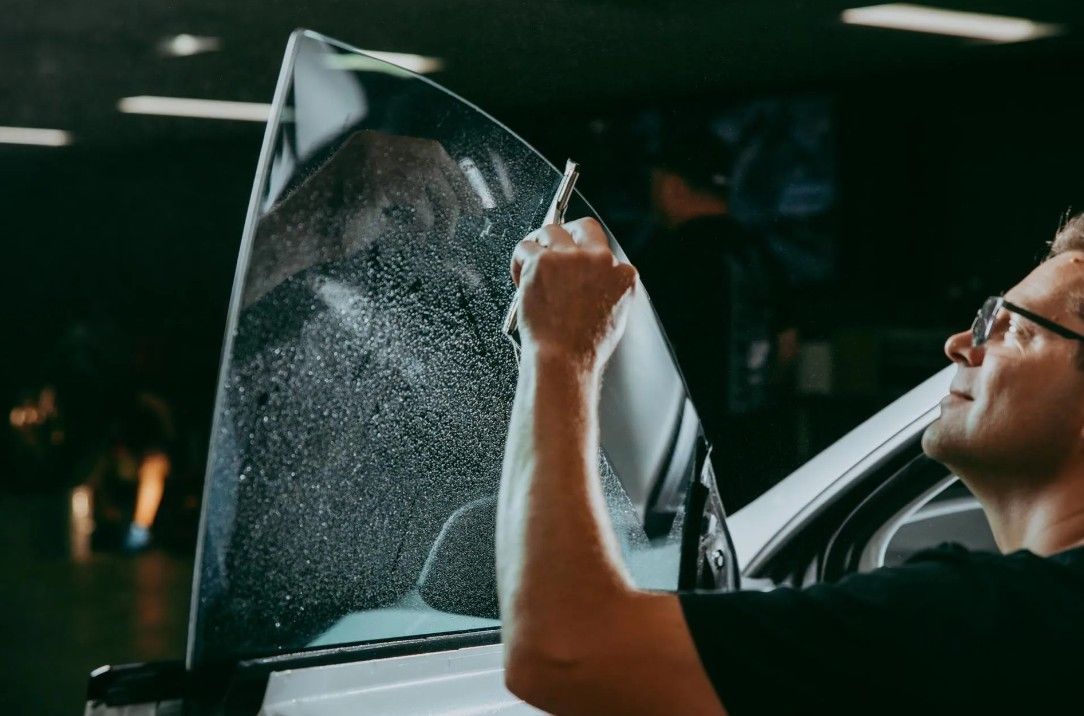
Discover how STEK NEX graphene window tint film improves comfort, blocks heat and UV rays, and enhances your driving experience. Installed by Davis Details.
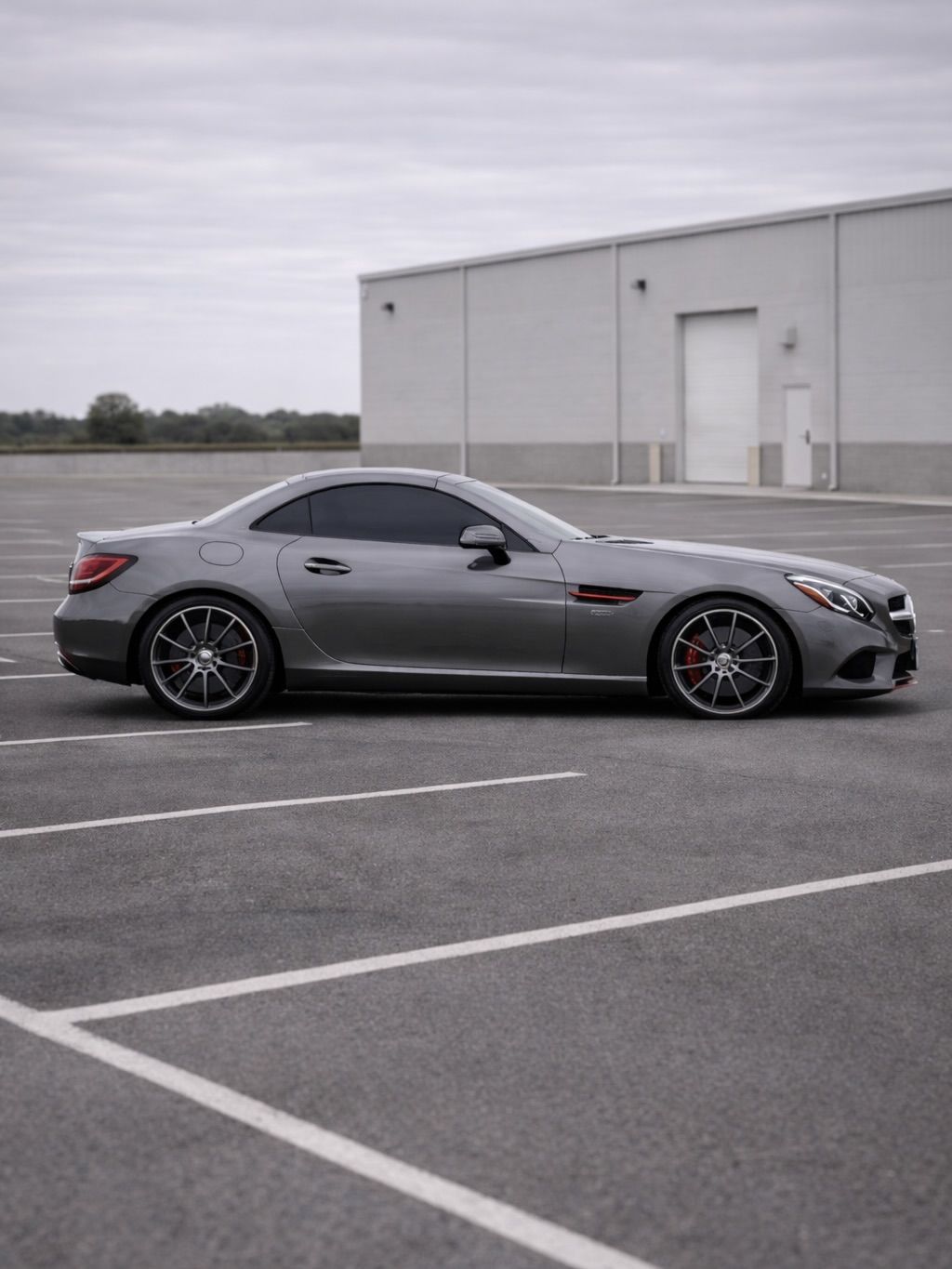
Discover the best Window Tint Film Services for UV Protection. Learn how tint blocks UV rays, reduces heat, and protects your car interior long term.
