
Kyle Davis is the owner of Davis Car Care and Tire Center/Davis Details, with 17 years of experience in the automotive field. As an ASE-certified professional, Kyle is known for his leadership, financial savvy, and commitment to providing transparent, fair pricing in the auto detailing industry. His business philosophy emphasizes customer trust and strong business practices.
Partial Front vs Full Front PPF: Which Coverage Makes Sense for Virginia Beach Daily Drivers?
August 12, 2026
For most Virginia Beach daily drivers, partial front PPF coverage makes sense when you want focused protection for high-impact areas while keeping the initial investment lower. Full front PPF coverage is usually better suited to frequent commuters, highway drivers, newer vehicles, luxury cars, and owners who want more complete protection across the hood, fenders, bumper, and mirrors. When comparing partial front vs full front PPF, the right choice depends on how often you drive, where you drive, how long you plan to keep your car, your vehicle's condition, and how much coverage you want.
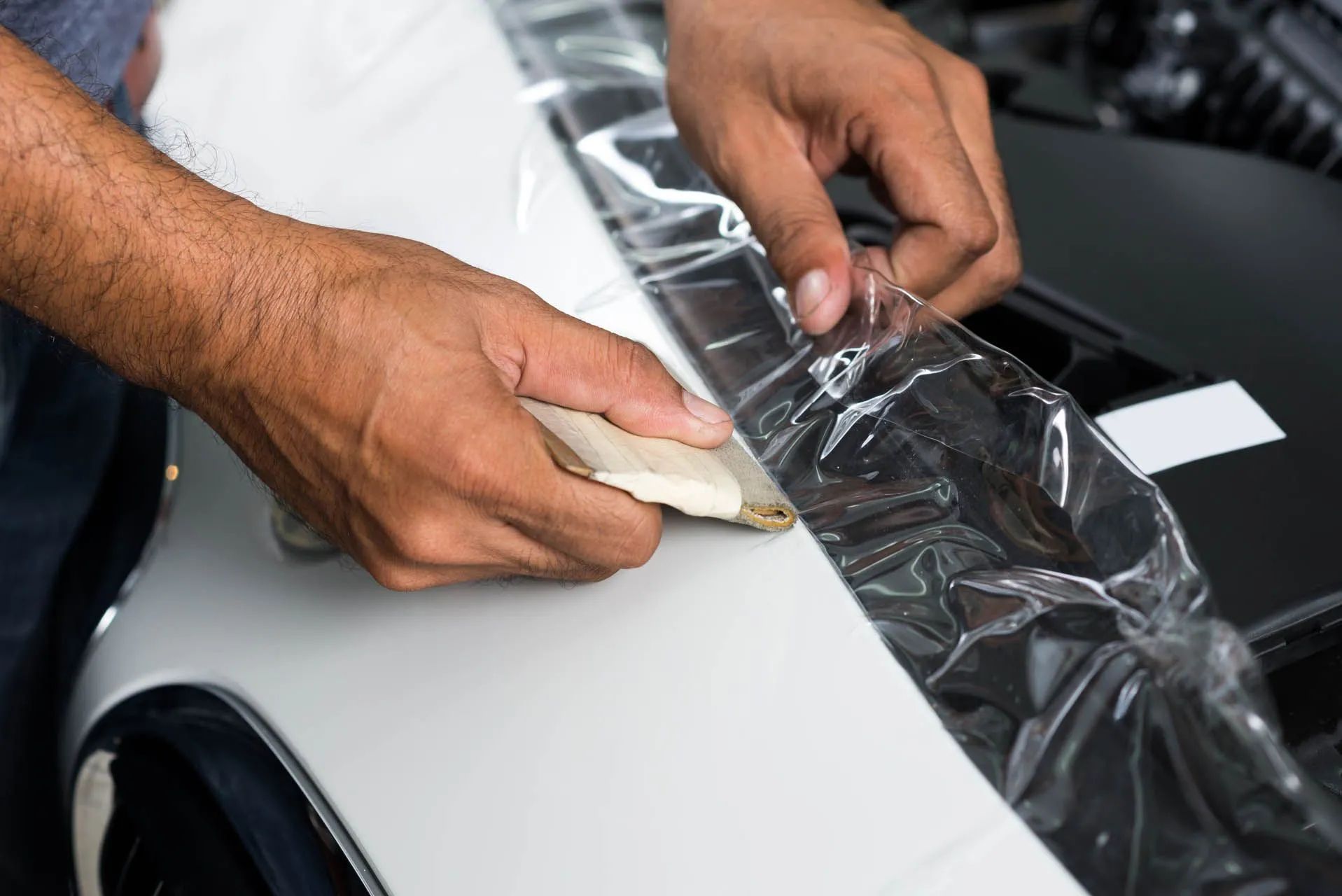
Daily driving exposes the front of your vehicle to loose road debris, small stones, insects, road grime, and other environmental contaminants. These risks become more relevant when you spend significant time on busy roads and highways around Virginia Beach. Even careful drivers cannot control every piece of debris that reaches the front bumper or hood. Therefore, choosing the right PPF coverage can help create a sacrificial layer between your vehicle's painted surfaces and many common sources of surface wear.
At Davis Details, vehicle owners can choose from several PPF coverage levels based on their driving habits and protection goals. The Level 1 Partial Front package focuses on selected high-impact areas, while the Level 2 Full Front package extends coverage across the entire hood and front fenders and also includes the mirrors. This range gives Virginia Beach drivers the ability to choose protection based on their actual needs instead of automatically paying for more coverage than they want.
1. What Is Partial Front PPF Coverage?
Partial front PPF coverage protects selected sections of the vehicle's front end rather than covering every forward-facing painted panel completely. It provides a practical entry point for drivers who want protection where road debris commonly makes contact but do not need broader front-end coverage.
At Davis Details, the Level 1 Partial Front package starts at $1,699 and includes:
- Front bumper: The bumper sits directly in the path of road debris, insects, and other materials kicked up during daily driving.
- Partial hood: Film covers part of the hood to protect a commonly exposed section while keeping the overall coverage level more affordable.
- Partial front fenders: Selected areas of the front fenders receive protection from road debris and surface contact.
- 10-year warranty: The package includes a 10-year warranty. Customers should speak with Davis Details for the complete terms, requirements, and coverage information.
For many drivers, partial coverage creates a balance between cost and protection. However, because the film stops partway across the hood and fenders, it does not provide the same continuous coverage as a full-front package.
That distinction matters if you drive often, spend significant time at highway speeds, or want to reduce the number of exposed painted areas on the front of the car.
2. What Is Full Front PPF Coverage?
Full front PPF coverage protects a larger portion of the vehicle's forward-facing surfaces. Instead of covering only part of the hood and fenders, it extends protection across those panels.
At Davis Details, the Level 2 Full Front package starts at $2,250 and includes:
- Front bumper: Full bumper coverage helps protect one of the most frequently exposed areas of the vehicle.
- Full hood: The entire hood receives protection. Davis Details notes that hoods larger than 60 inches require an additional $350.
- Full front fenders: Both front fenders receive complete coverage rather than partial coverage.
- Mirrors: Side mirrors are included because their forward-facing position can expose them to road debris.
- 10-year warranty: The package includes a 10-year warranty, subject to the applicable terms provided by the detailer.
Full-front protection generally appeals to drivers who want fewer exposed areas across the front end. It can also create a cleaner coverage transition because the hood and fenders receive film across the entire panel rather than only a portion.
3. Partial Front vs Full Front PPF: Key Differences at a Glance
The main difference between partial front and full front PPF is the amount of painted surface that receives protection. Both options protect high-impact areas, but full front coverage extends across more of the vehicle’s front end.
- Front bumper: Both partial front and full front packages include front bumper coverage.
- Hood coverage: Partial front PPF covers only part of the hood, while full front PPF covers the entire hood.
- Front fenders: Partial front coverage protects selected areas of the front fenders. Full front coverage protects the entire front fenders.
- Mirrors: Full front coverage includes the side mirrors, while they are not included in the standard partial front package.
- Best for targeted protection: Partial front coverage can work well for drivers who want to protect key high-impact areas while keeping the overall coverage more focused.
- Best for frequent drivers: Full front coverage may be better suited to daily commuters and drivers who want broader protection across forward-facing surfaces.
- Highway exposure: Partial front PPF provides focused protection in common impact areas. Full front PPF extends protection across more of the surfaces exposed during regular highway driving.
- Coverage transitions: With partial coverage, the film ends partway across the hood and front fenders. Full front coverage protects the entire panel, which can provide a more continuous appearance.
- Warranty: Both Davis Details packages include a 10-year warranty. Contact Davis Details for complete warranty terms and conditions.
- Overall goal: Partial front coverage focuses on selected high-impact areas, while full front coverage provides broader protection across the major painted surfaces at the front of the vehicle.
When comparing partial front vs full front PPF, think about how much of your vehicle you want protected, how often you drive, and the types of roads you use. Partial coverage may be enough for some drivers, while frequent commuters may prefer the added coverage of a full front package.
Pricing can vary based on vehicle size, body design, coverage needs, and installation requirements. For exact pricing and a package recommendation, contact Davis Details or visit the
Paint Protection Film page to request a personalized quote.
4. How to Choose Between Partial Front and Full Front PPF Step by Step
Choosing the right level of PPF starts with understanding how you actually use your vehicle. Instead of looking only at package price, consider your driving frequency, road exposure, ownership plans, vehicle condition, and expectations. The following process can help you make a more informed decision before requesting a professional recommendation.
- Step 1: Evaluate how often you drive.
Start by looking at how many days per week you use the vehicle and the type of trips you take. A car used occasionally may have different protection needs than a daily commuter that spends hours on busy roads. - Step 2: Think about highway exposure.
Consider how frequently you travel at highway speeds. Vehicles that regularly encounter higher-speed traffic can experience more exposure to debris reaching the hood, bumper, mirrors, and fenders. - Step 3: Consider how long you plan to own the car.
If you expect to trade the car soon, targeted coverage may fit your priorities. However, if you plan to keep the vehicle for several years, broader coverage may become more appealing. - Step 4: Inspect the current paint condition.
Existing chips, scratches, swirl marks, or previous paintwork may affect preparation. PPF protects the surface underneath it, so it is important to evaluate the paint before installation instead of assuming film will hide existing imperfections. - Step 5: Compare coverage with your budget.
Look beyond the starting price. Compare exactly which panels each package protects and determine whether the additional full-front coverage supports the way you use your vehicle.
After reviewing these factors, speak with Davis Details about your vehicle and driving habits. A professional inspection can help you decide whether partial or full-front coverage better matches your goals.
5. When Partial Front PPF Makes the Most Sense
Partial front protection can be a strong choice when you want targeted coverage without moving immediately into a larger package. For example, it may fit an owner who drives mostly shorter local routes, parks the car indoors, does not spend substantial time on highways, or simply wants protection on the most obvious forward-facing areas.
The Level 1 package can also make sense when budget plays a major role in the decision. Because the package starts at $1,699, it provides an entry point into professional PPF without requiring the additional investment associated with full-front, track, or full-body coverage.
However, you should understand the tradeoff. Part of the hood and front fenders remains exposed. If your goal is to minimize exposed areas across the front of the vehicle, you may prefer broader coverage.
6. When Full Front PPF Coverage Makes More Sense
Full-front coverage tends to make more sense when your car sees frequent road use and you want to protect entire forward-facing panels.
This includes drivers who regularly commute, take highway trips, own newer vehicles, or place a high priority on maintaining the appearance of the original paint.
Because Davis Details' Level 2 package covers the full hood, full front fenders, front bumper, and mirrors, it addresses more of the areas that face forward while driving.
Full front PPF coverage may be worth considering when:
- You commute regularly throughout Virginia Beach or Hampton Roads.
- You frequently use highways and higher-speed roads.
- You recently purchased a new vehicle.
- You drive a luxury, performance, or enthusiast vehicle.
- You plan to keep the car for several years.
- You want fewer uncovered areas across the front end.
The additional coverage does increase the initial cost. However, the decision should focus on whether those extra protected surfaces matter for your driving habits.
7. Where Does the Front of a Car Usually Need the Most Protection?
The exact exposure pattern depends on vehicle design. A low sports car may encounter roadway debris differently than a taller SUV or truck. Still, several forward-facing areas commonly deserve attention. The front bumper sits directly in the airflow and often encounters debris first. The hood follows immediately behind it, while the leading edges of the fenders also remain exposed. Mirrors can experience impacts because they extend outward from the vehicle.
Some drivers also consider protection beyond the traditional front-end package. Davis Details offers a Level 3 Track Package that adds impact rear fenders, A-pillars, and a front stripe of the roof in addition to full-front coverage. For drivers who want even broader protection, the Level 4 Full Body package covers the vehicle's exterior more extensively and starts at $6,000.
Therefore, the choice does not always stop at partial or full front. Your driving conditions may eventually justify a broader package.
8. Who Should Consider Partial Front Coverage?
Partial-front protection may work well for drivers who want to protect key areas without choosing the higher-cost option.
You might consider it if you:
- Drive moderate distances rather than spending long hours on highways.
- Want to prioritize the bumper and leading sections of the hood and fenders.
- Have a specific budget for exterior protection.
- Use the car mainly for local driving.
- Want an entry-level PPF option before considering broader coverage later.
The goal is not to buy the largest package available. Instead, it is to match coverage with your actual needs. That approach helps make
car paint protection in Virginia Beach more practical for different types of vehicle owners.
9. Who Should Consider Full Front Coverage?
Full-front coverage fits drivers who want broader protection without moving to a track or full-body package. It often appeals to owners who drive frequently, use major roads, maintain newer cars, or want to reduce the number of exposed painted surfaces on the front end. It can also appeal to owners who care about the visual transition between protected and unprotected areas. Since full-front film covers the entire hood and front fenders, it avoids having the film terminate partway across those panels.
For many drivers comparing partial front vs full front PPF, this difference becomes one of the biggest reasons to move up to full-front coverage.
10. How Much Does Partial Front vs Full Front PPF Cost?
The cost of PPF depends on your vehicle, the amount of coverage you choose, and the specific installation requirements. Davis Details offers several protection levels so Virginia Beach drivers can select coverage based on their driving habits, vehicle type, and protection goals.
Available options include:
- Level 1 Partial Front: Covers the front bumper, part of the hood, and part of the front fenders. This option works well for drivers who want focused protection on common high-impact areas.
- Level 2 Full Front: Covers the front bumper, full hood, full front fenders, and mirrors. It is a strong choice for daily drivers who want broader front-end protection.
- Level 3 Track Package: Includes full-front coverage plus additional protection for the impact areas of the rear fenders, A-pillars, and the front section of the roof.
- Level 4 Full Body: Provides extensive exterior coverage for drivers who want a higher level of protection across the vehicle.
- Windshield Protection Film Add-On: Adds a protective layer to the windshield to help guard against scratches, scrapes, and minor roadway debris.
Exact pricing can vary based on your vehicle's size, body design, selected coverage, paint condition, and any additional preparation or upgrades needed. When comparing packages, consider more than price alone. Look at which panels are protected, how often you drive, where you typically drive, and how long you plan to keep your vehicle.
For current pricing and a recommendation based on your vehicle, contact Davis Details or visit the Paint Protection Film page to request an exact quote.
11. Why Vehicle Type Matters
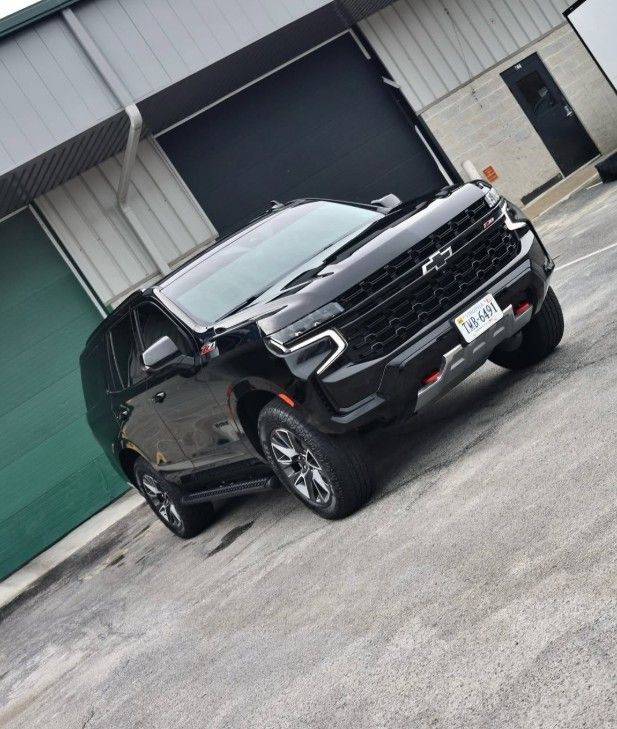
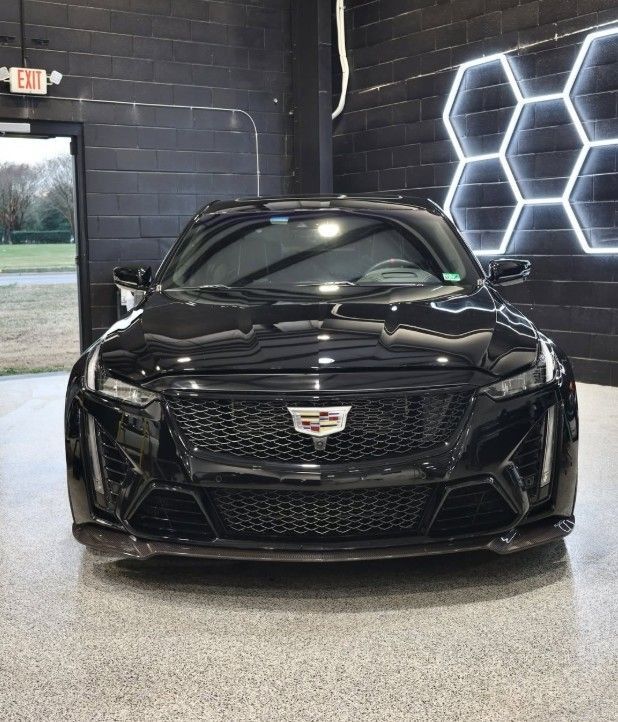
Not every vehicle presents the same surface area or front-end design. Sports cars often have lower front bumpers and large painted surfaces near the road. Trucks and SUVs may have taller front ends, larger hoods, and different mirror designs. Luxury vehicles may also have complex body lines that make owners more concerned about maintaining a uniform finish. Therefore, PPF recommendations should consider the actual vehicle.
A professional installer can examine the shape of the panels, identify exposed areas, and explain how each package will fit the vehicle. That vehicle-specific evaluation is especially useful when deciding between partial and full-front coverage.
12. Expert Tips for Choosing the Right PPF Coverage
A good PPF decision should balance protection, cost, driving habits, and expectations. Instead of assuming every vehicle needs the same amount of coverage, start with the areas most exposed during your normal driving. Then consider whether broader protection provides enough additional value for your situation.
- Think about your real commute.
Do not base the decision on occasional weekend driving if you spend most weekdays commuting at higher speeds. Your normal routine provides a more accurate picture of road exposure. - Look at full-panel coverage carefully.
Partial coverage leaves some painted areas exposed. If you strongly prefer full-panel protection across the hood and fenders, full-front coverage may better match your expectations. - Consider the age of the vehicle.
A new car and a five-year-old daily driver may need different preparation. Ask for a paint inspection before assuming both vehicles require the same installation process. - Ask what the package does not cover.
Understanding uncovered areas can prevent disappointment later. Review every panel included in the package before approving the installation. - Choose based on ownership goals, not pressure.
The most expensive package is not automatically the right one. Select coverage that makes sense for how long you plan to keep the car and how much driving exposure it receives.
If you remain unsure, ask Davis Details to compare the packages based on your vehicle and driving routine. A personalized recommendation can make the coverage decision much easier.
13. Partial Front vs Full Front PPF for a New Car
New vehicles create a unique decision point because the paint has had less time to accumulate road wear.
A new-car owner who wants to preserve the front bumper and selected high-impact areas may find partial-front coverage sufficient. However, someone who expects to drive the new vehicle daily may prefer full-front protection before accumulating chips across the hood or fenders. The earlier you evaluate protection, the easier it becomes to make the decision based on prevention instead of reacting to existing damage.
This is particularly relevant for buyers who plan to keep their vehicle for several years.
Conclusion
There is no universal answer to the partial front vs full front PPF decision. Partial-front coverage works well for drivers who want focused protection and a lower starting investment. Full-front coverage makes more sense when you want the entire hood and front fenders protected along with the bumper and mirrors. If you mainly make short local trips and want to protect the most exposed front-end areas, partial coverage may provide the balance you want. However, if you commute regularly, spend significant time on highways, drive a new or higher-value vehicle, or plan to keep your car for several years, full-front coverage may fit your goals better.
Also consider what you expect visually. Full-panel coverage avoids leaving part of the hood and fenders uncovered. For some owners, that additional coverage alone justifies moving from Level 1 to Level 2.
At Davis Details, drivers can compare several protection levels rather than choosing a one-size-fits-all package. Whether you need focused front-end protection or broader coverage, the right choice should reflect your vehicle, driving routine, paint condition, budget, and long-term ownership plans. Explore Davis Details' Paint Protection Film Services in Virginia Beach, VA to review current coverage options and determine which package may fit your car.
Ready to protect your daily driver? Contact Davis Details today for a free quote and a professional PPF coverage recommendation for your vehicle.
Compare System X Pro+ vs System X MaxG+ ceramic coatings in Virginia Beach. Learn differences in durability, warranties, and choose the right protection.
Compare Car-pro SiC vs System X Pro+ ceramic coatings for gloss, warranty, wheel coverage, and long-term protection in Virginia Beach. Find your fit today.
Is PPF worth it for long-term car ownership? Learn how paint protection film protects your vehicle and explore PPF options in Virginia Beach, VA.
Learn how to maintain ceramic coating for long-lasting gloss, protection, and hydrophobic performance with tips from Davis Details in Virginia Beach, VA.

Discover 10 benefits of ceramic coating for cars, from lasting gloss to easier maintenance. Contact Davis Details in Virginia Beach for a free quote.
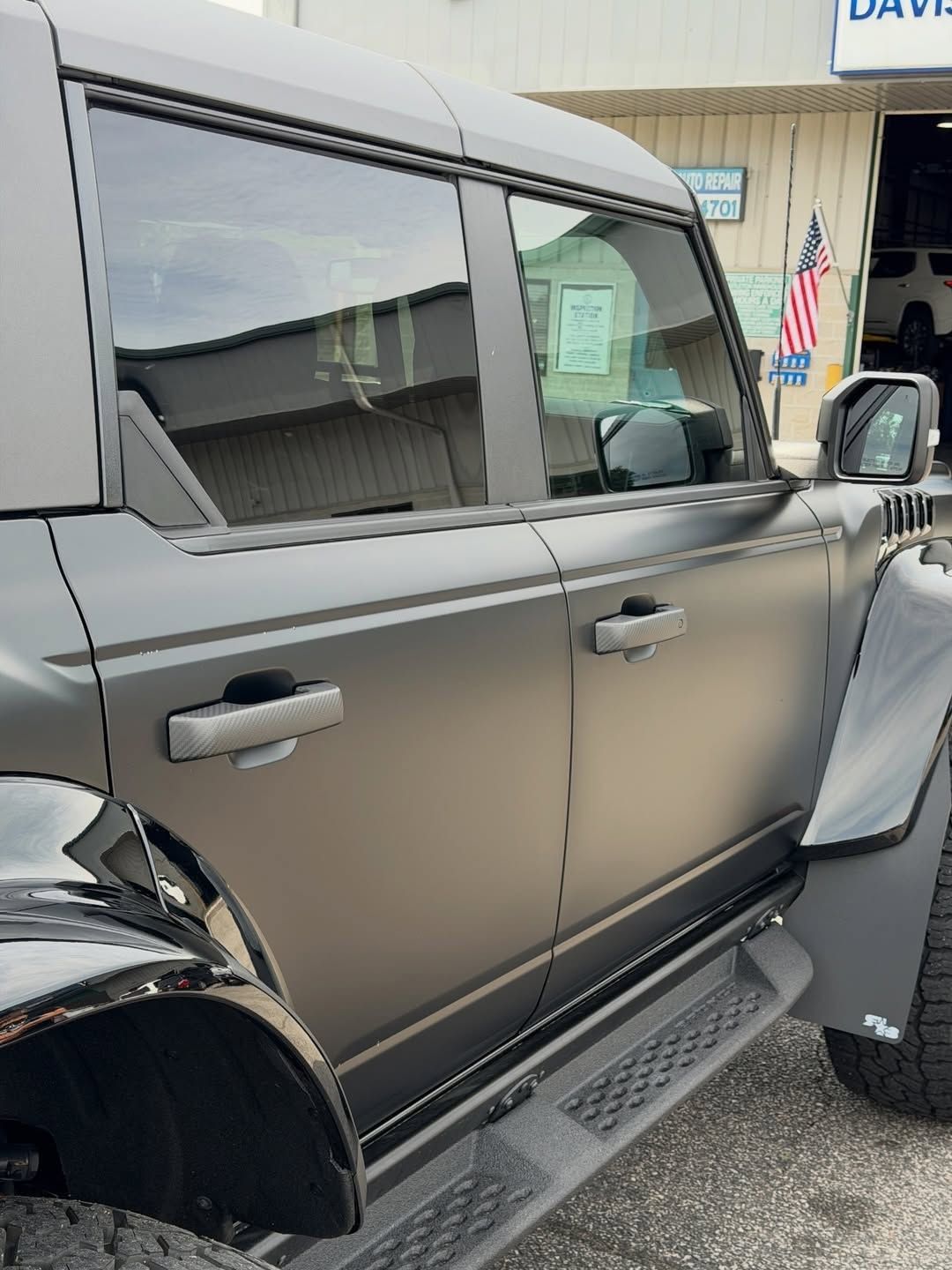
Find professional window tint in Virginia Beach with Davis Details. Learn how premium STEK films improve heat rejection, UV protection, glare, and comfort.

This guide explains the different types of window tint for cars, compares their performance, and helps you determine which option best suits your vehicle.
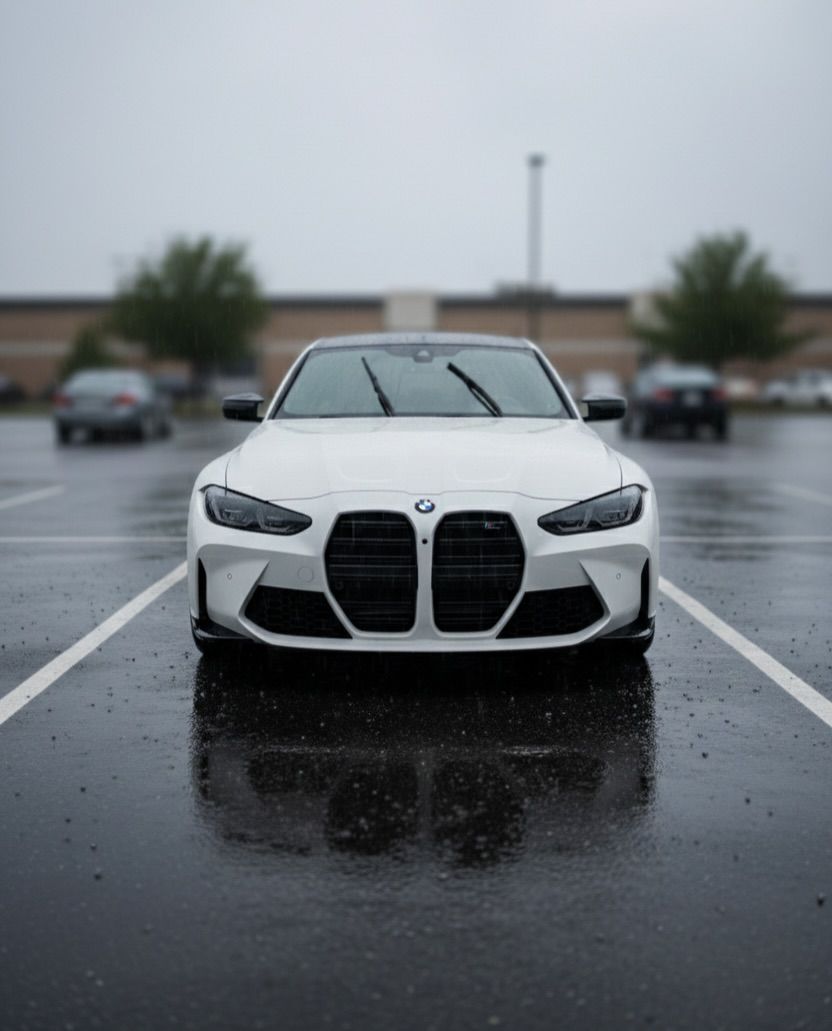
Discover the top 5 signs your vehicle needs paint protection film in Virginia Beach, VA. How PPF helps protect against rock chips, UV damage & daily road debris.
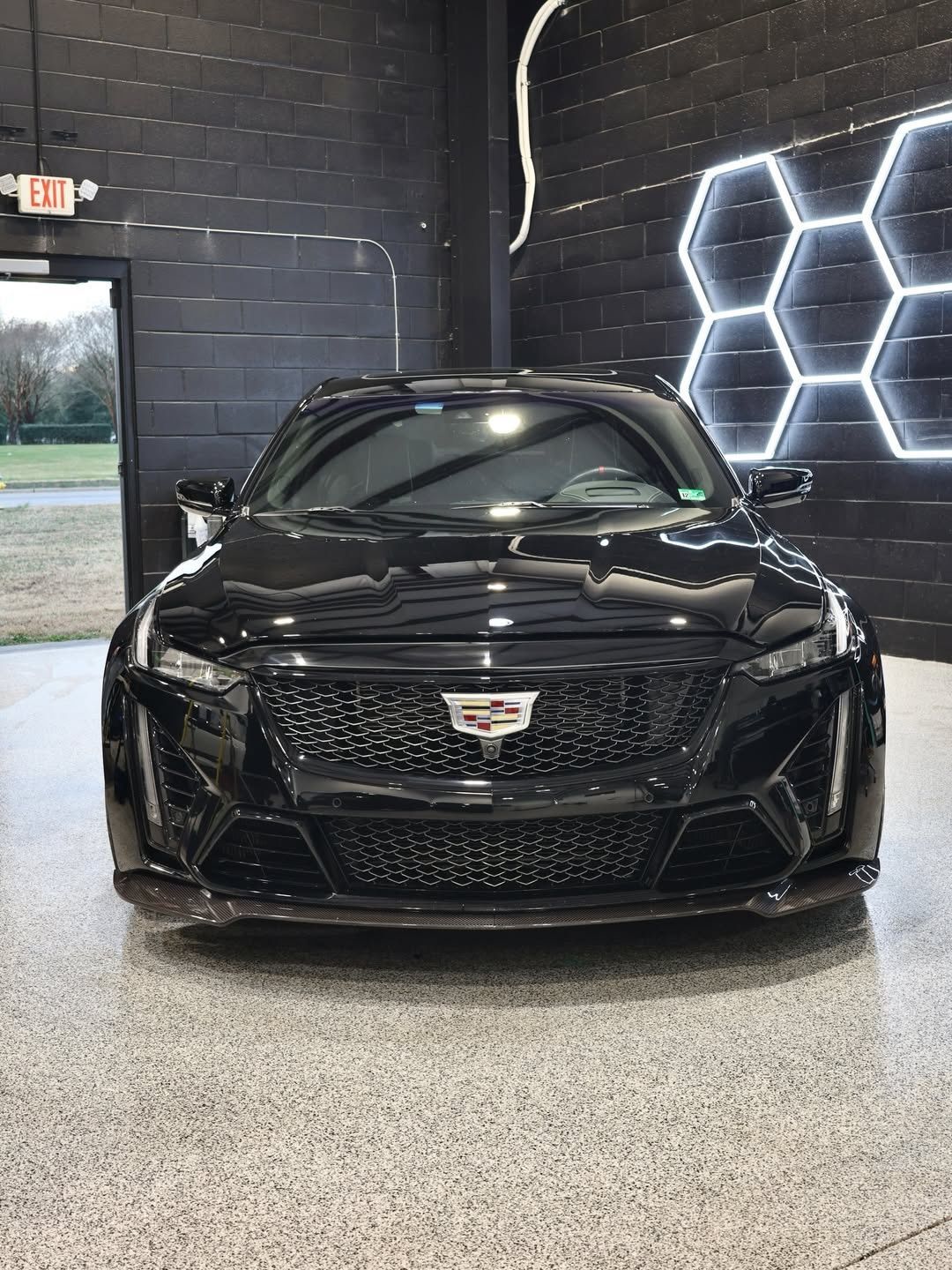
Learn the top benefits of paint protection film for rock chip defense, UV protection, easier cleaning, and resale value. Visit Davis Details in Virginia Beach, VA.
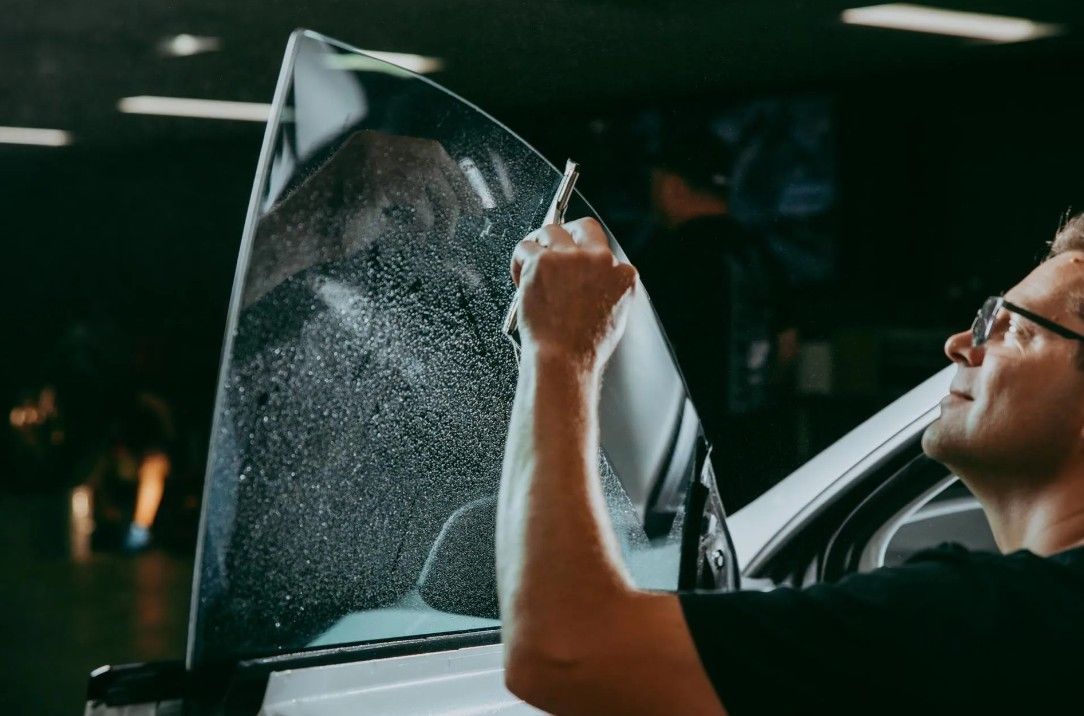
Discover how STEK NEX graphene window tint film improves comfort, blocks heat and UV rays, and enhances your driving experience. Installed by Davis Details.
