
Kyle Davis is the owner of Davis Car Care and Tire Center/Davis Details, with 17 years of experience in the automotive field. As an ASE-certified professional, Kyle is known for his leadership, financial savvy, and commitment to providing transparent, fair pricing in the auto detailing industry. His business philosophy emphasizes customer trust and strong business practices.
Planning to Keep Your Car for 3+ Years? Is PPF Worth the Investment?
August 19, 2026
If you plan to keep your vehicle for three years or longer, paint protection film can be a worthwhile investment because it helps protect vulnerable paint from rock chips, light scratches, road debris, staining, and daily wear. The answer to is PPF worth it depends on how much you drive, where you drive, the value and condition of the vehicle, and how much you care about preserving the factory finish. For long-term owners, PPF often delivers the most value when it is installed early and placed on the panels that face the greatest exposure.
Long-term ownership gives small cosmetic problems time to accumulate. A front bumper that looks nearly perfect today can collect dozens of chips after years of highway driving, construction zones, road trips, and daily commuting. Even careful drivers cannot control every stone, piece of debris, or abrasive contaminant that reaches the vehicle. Therefore, protection becomes less about keeping a car perfect for a few months and more about reducing visible wear over several years.
Davis Details helps vehicle owners in Virginia Beach, VA choose paint protection based on real driving habits and long-term goals. Instead of assuming every car needs full-body coverage, owners can compare partial-front, full-front, track-focused, and broader protection options. That approach can make a PPF investment more practical because the coverage follows the areas and risks that matter most.
1. Why PPF Can Make More Sense for Long-Term Car Ownership
The longer you keep a vehicle, the more chances it has to collect paint damage. Daily driving adds repeated exposure to stones, loose gravel, highway debris, parking-lot contact, insects, bird droppings, and routine washing. One small mark may seem minor, but years of small marks can make a well-maintained car look much older. PPF for long term car ownership also changes the cost equation. When the film protects a vehicle for several years, the owner receives value across a longer period instead of paying for a short-term cosmetic benefit. That can be especially appealing for a daily driver, luxury car, performance vehicle, new vehicle, or any car the owner plans to keep in excellent condition.
The value is not only about resale. Many owners simply enjoy driving a clean, well-preserved vehicle. For drivers asking
is PPF worth it over a longer ownership period, daily enjoyment can matter as much as future market value. If chips and scratches bother you whenever you wash the car, avoiding some of that visible wear can improve the ownership experience.
2. How Long Does Paint Protection Film Last?
High-quality paint protection film can provide long-term protection when it is professionally installed and properly maintained. At Davis Details, our PPF packages include a 10-year warranty, giving Virginia Beach vehicle owners added confidence when protecting their paint from road debris, light scratches, chips, and everyday wear. The actual lifespan of PPF can depend on driving conditions, sun exposure, washing habits, vehicle storage, and ongoing maintenance. However, choosing professional installation and following proper care recommendations can help the film continue protecting your vehicle for years.
Davis Details offers several PPF coverage options based on how much of your vehicle you want to protect. Contact us for current pricing and a personalized recommendation based on your vehicle and driving habits.
Level 1 PPF: Partial Front
Our Level 1 Partial Front package provides targeted protection for some of the areas most exposed to road debris during everyday driving. It can be a practical option for drivers who want essential front-end protection without covering the entire front of the vehicle.
This package includes:
- Front bumper
- Partial hood
- Partial front fenders
- 10-year warranty
Contact Davis Details for current pricing and to determine whether partial-front PPF is the right level of protection for your vehicle.
Level 2 PPF: Full Front
The Level 2 Full Front package provides more complete protection across the vehicle's forward-facing panels. It is especially useful for daily drivers, highway commuters, and vehicle owners who want broader protection against rock chips, road debris, and surface wear.
This package includes:
- Front bumper
- Full hood
- Mirrors
- Full front fenders
- 10-year warranty
Vehicle size and hood dimensions may affect installation requirements. Contact Davis Details for current pricing and a vehicle-specific quote.
Level 3 PPF: Track Package
Our Level 3 Track Package expands protection beyond the standard front-end areas. It is designed for vehicles that experience greater road exposure, spirited driving, frequent highway use, or conditions where additional panels may be vulnerable to debris and surface damage.
This package includes:
- Front bumper
- Full hood
- Mirrors
- Full front fenders
- Impact rear fenders
- A-pillars
- Front stripe of roof
- 10-year warranty
If you regularly drive longer distances or want additional protection beyond the front end, contact Davis Details for pricing and help determining whether the Track Package fits your needs.
Level 4 PPF: Full Body
The Level 4 Full Body package provides the most comprehensive paint protection available from Davis Details. Instead of protecting only high-impact areas, this option adds a protective layer across the vehicle's painted exterior to help reduce exposure to road debris, light scratches, surface wear, and other everyday hazards. Our full-body PPF features self-healing surface protection and comes with a 10-year warranty. Color-change PPF is also available for customers who want to combine exterior protection with a different visual finish.
For full-body PPF pricing, available film options, and recommendations for your specific vehicle, contact Davis Details today for a personalized quote.
3. Step by Step: How to Decide Whether PPF Is Worth It for Your Car
A useful PPF decision starts with your ownership habits rather than the most expensive package. Review how long you will keep the car, how often you drive, which roads you use, and how much cosmetic wear bothers you. Then match the protection level to those risks and priorities.
- Step 1: Estimate your ownership timeline. Decide whether the vehicle will stay with you for three years, five years, or longer. More years usually mean more exposure, which gives the film more time to protect vulnerable surfaces and support long term car paint protection.
- Step 2: Review your driving exposure. Consider annual mileage, highway use, construction zones, long commutes, road trips, and traffic conditions. Frequent highway driving often increases the value of front bumper, hood, mirror, and front-fender protection because these panels take direct impacts.
- Step 3: Check the current paint condition. PPF gives the cleanest cosmetic result when installed over paint that is already in good condition. Existing chips or scratches may need attention first. Protecting a clean surface helps preserve the condition you want to maintain.
- Step 4: Match coverage to high-risk areas. A partial front can protect common impact zones, while full-front coverage protects more of the hood and fenders. Track-focused or full-body protection can make sense for higher exposure, specialty vehicles, or owners with stricter appearance standards.
- Step 5: Compare cost with your priorities. Think about possible touch-ups, repainting, correction, and the inconvenience of cosmetic repairs. Then consider how much you value original paint and a cleaner appearance. The right PPF investment should solve a real concern rather than add unnecessary coverage.
If you are unsure where to start, ask Davis Details to assess your vehicle, mileage, and driving environment. A targeted plan can protect the panels that matter most while keeping the investment aligned with your budget.
4. When Is the Best Time to Install PPF?
The best time to install PPF is usually while the paint is still in excellent condition. On a new car, early installation helps protect factory paint before highway miles and routine driving create chips. For a used car, PPF can still be worthwhile if the finish is in good condition or can be properly prepared. Timing also matters when driving habits change. A new commute, more highway travel, frequent road trips, or a move to a higher-exposure route can increase the value of protection. If you are asking is PPF worth it after owning the vehicle for a year or two, consider the remaining ownership period and current paint condition rather than assuming you missed the opportunity.
5. Where Should You Install PPF for the Best Value?
The front bumper, hood, front fenders, and mirrors usually face the greatest exposure to road debris. For that reason, front-end packages often deliver the strongest protection per dollar. Owners who want fewer visible film transitions may prefer full-panel coverage instead of partial sections. Other areas can matter based on the vehicle. Performance drivers may protect A-pillars, the leading roof edge, rocker areas, or rear impact zones. Full-body protection may suit specialty paint, high-value vehicles, dark finishes, or owners who want maximum consistency. Davis Details offers several
Paint Protection Film coverage levels for different needs.
6. Who Gets the Most Value From PPF?
PPF is not limited to exotic cars. It can make sense for any owner who combines long-term ownership, regular driving exposure, and a strong preference for keeping the paint in good condition. The more of these factors that apply, the easier it becomes to justify protection.
- Daily commuters face repeated road debris, traffic, parking, and washing, so front-end protection can reduce accumulated wear.
- Luxury and performance owners may place a higher value on factory finish quality and may face higher paint-repair costs.
- New-car owners can install PPF before visible damage starts, giving the film a cleaner surface to preserve.
- Road-trip and high-mileage drivers experience more impact opportunities simply because the vehicle spends more time traveling at speed.
- Detail-focused owners often value the reduced worry that comes from protecting paint against common chips and light surface damage.
If several of these descriptions match your ownership habits, PPF for long term car ownership is more likely to support both practical and cosmetic goals.
7. Partial Front vs Full Front vs Full Body PPF
The right PPF coverage depends on your driving habits, vehicle value, budget, and how much of the exterior you want to protect. Each option offers a different level of coverage and can suit different ownership needs.
Partial Front PPF
Partial-front PPF protects the areas that commonly receive the most direct exposure to road debris. This usually includes the front bumper, part of the hood, and sections of the front fenders. It can be a practical choice for lower-mileage drivers or vehicle owners who want targeted protection without covering the entire front end.
Full Front PPF
Full-front PPF provides broader protection across the main forward-facing panels. It typically covers the front bumper, full hood, front fenders, and mirrors. This option can be well suited for daily drivers, highway commuters, and long-term owners who want stronger protection against rock chips, road debris, and surface wear.
Full Body PPF
Full-body PPF offers the most complete level of vehicle paint protection. It covers most or all painted exterior surfaces, helping protect the vehicle from everyday road hazards, light scratches, and general wear. This option may be a better fit for luxury vehicles, performance cars, specialty finishes, or owners who place a high priority on maintaining the vehicle's appearance over time.
8. Maintenance: How to Care for PPF Over Several Years
PPF reduces direct paint exposure, but it still needs normal care. A simple maintenance routine can help keep the film clean, clear, and visually consistent over the ownership period. Safe washing and prompt contaminant removal matter more than complicated products.
- Wash with safe tools and products. Use clean wash media, suitable automotive shampoo, and gentle drying methods. Regular washing keeps dirt from building up and makes the film easier to inspect.
- Remove contamination promptly. Insects, bird droppings, sap, and road film should not sit on the surface longer than necessary. Early cleaning can reduce staining risk.
- Protect film edges. Avoid aiming high-pressure water closely at edges or picking at seams. Care around panel transitions can help prevent unnecessary lifting or damage.
- Inspect high-impact areas. Check the front bumper, hood, mirrors, and lower areas during normal washes. If the film takes a significant impact, ask a professional whether the section needs attention.
- Follow installer care guidance. Film products can differ, so use care recommendations that match the installed material. Ask before applying unfamiliar chemicals, compounds, or aggressive polishing methods.
Regular care helps the film perform as intended. If you want a simple maintenance routine for your specific vehicle, Davis Details can explain how to wash and care for the protected surfaces after installation.
9. Choosing Paint Protection Film Services in Virginia Beach, VA
Installation quality is a major part of the result. PPF must be applied to properly prepared surfaces and fitted carefully around body lines, edges, trim, and panel transitions. Clean installation helps the film protect the vehicle without distracting from its appearance.
Davis Details offers partial-front, full-front, track-focused, and full-body options, along with self-healing and hydrophobic film characteristics and a 10-year warranty according to the service information supplied. Drivers comparingPaint Protection Film Services in Virginia Beach, VA should consider which package matches their mileage, paint condition, budget, and long-term ownership goals.
Conclusion
For many drivers planning to keep a vehicle for three years or longer, is PPF worth it has a practical answer: yes, when the paint matters to you, the vehicle faces regular road exposure, and you choose coverage that matches the risk. PPF can reduce chips, scratches, and visible road wear on protected surfaces while helping preserve original paint. However, value depends on selecting the right package. Partial-front coverage may suit lower exposure. Full-front protection often gives daily drivers a strong balance of price and coverage. Track-focused or full-body packages can make more sense for high-mileage, high-value, performance, or appearance-focused vehicles.
Davis Details can help Virginia Beach owners evaluate mileage, driving habits, paint condition, and maintenance priorities before choosing protection. If you plan to keep your car for years and want to protect its finish before damage builds up,
contact Davis Details today to request a quote for the right PPF coverage for your vehicle.
Compare System X Pro+ vs System X MaxG+ ceramic coatings in Virginia Beach. Learn differences in durability, warranties, and choose the right protection.
Compare Car-pro SiC vs System X Pro+ ceramic coatings for gloss, warranty, wheel coverage, and long-term protection in Virginia Beach. Find your fit today.
Compare partial front vs full front PPF for Virginia Beach daily drivers. Learn coverage differences, costs, and which Davis Details package fits your car.
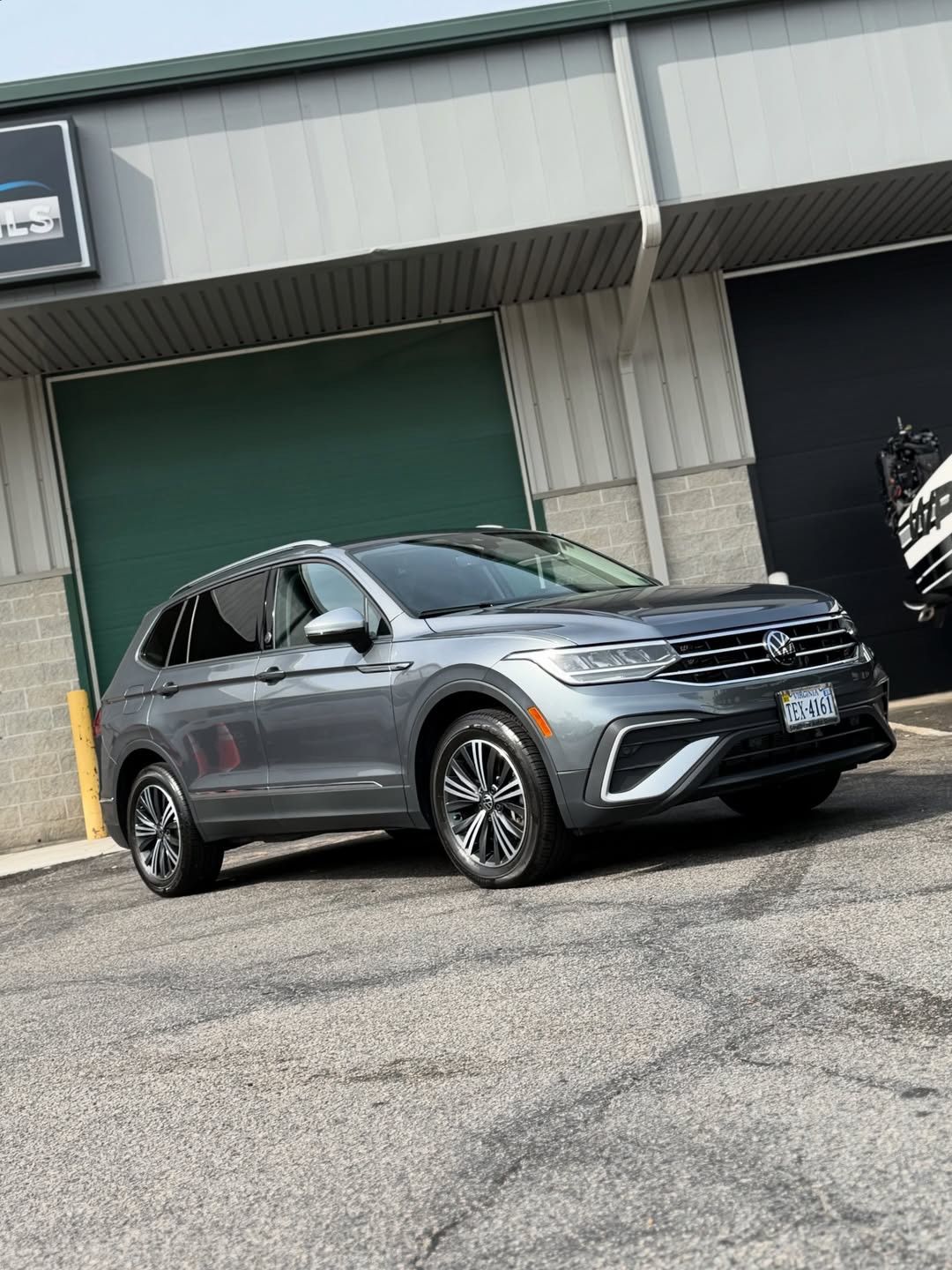
Learn how to maintain ceramic coating for long-lasting gloss, protection, and hydrophobic performance with tips from Davis Details in Virginia Beach, VA.

Discover 10 benefits of ceramic coating for cars, from lasting gloss to easier maintenance. Contact Davis Details in Virginia Beach for a free quote.
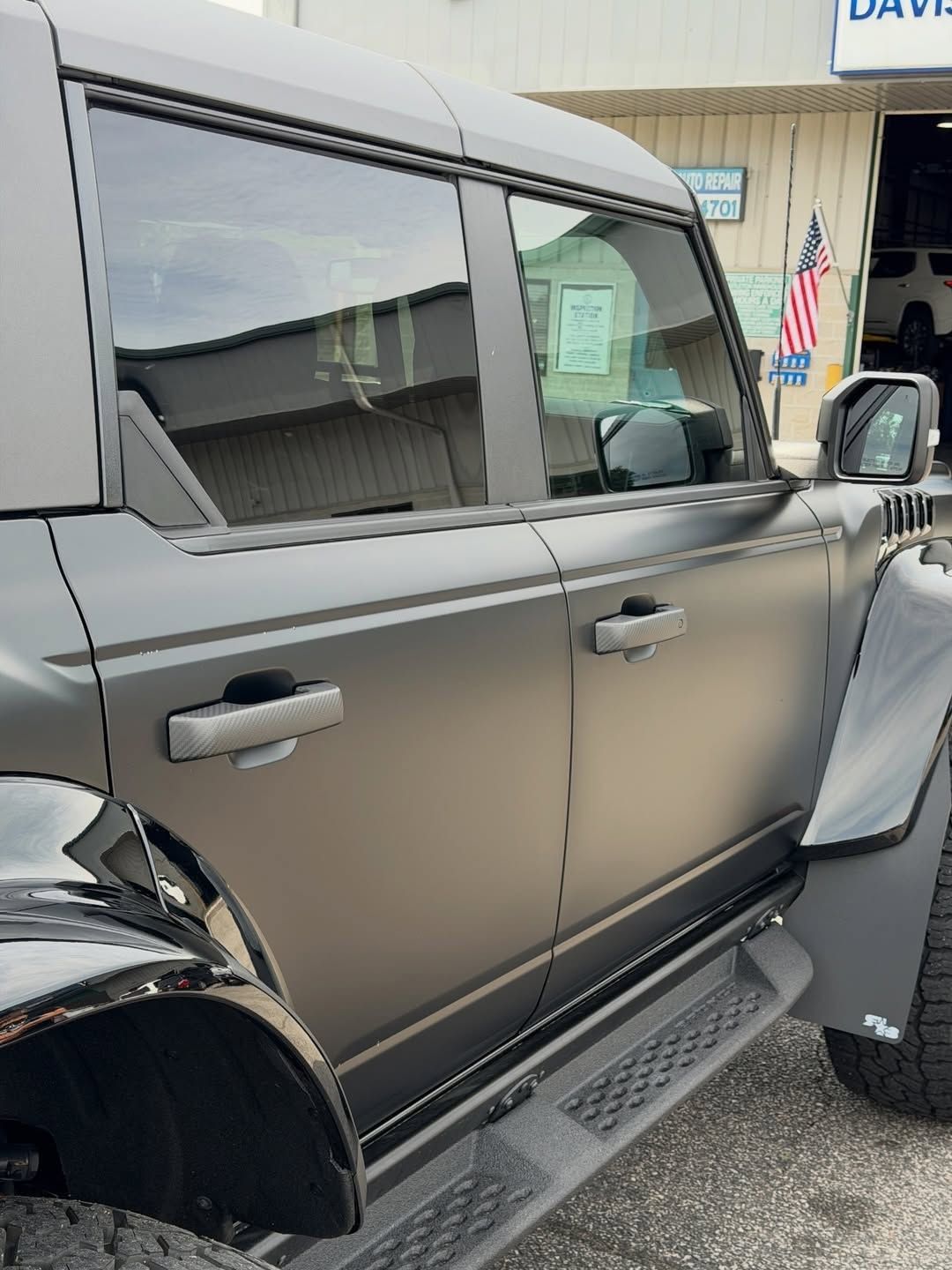
Find professional window tint in Virginia Beach with Davis Details. Learn how premium STEK films improve heat rejection, UV protection, glare, and comfort.

This guide explains the different types of window tint for cars, compares their performance, and helps you determine which option best suits your vehicle.
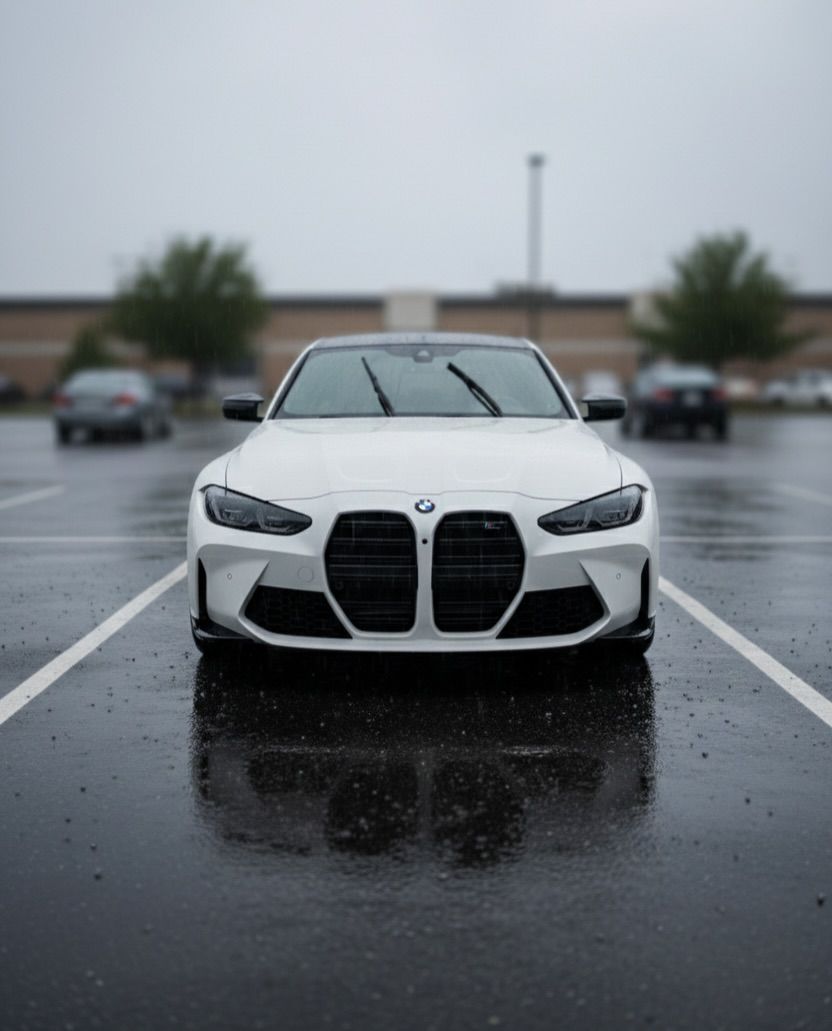
Discover the top 5 signs your vehicle needs paint protection film in Virginia Beach, VA. How PPF helps protect against rock chips, UV damage & daily road debris.
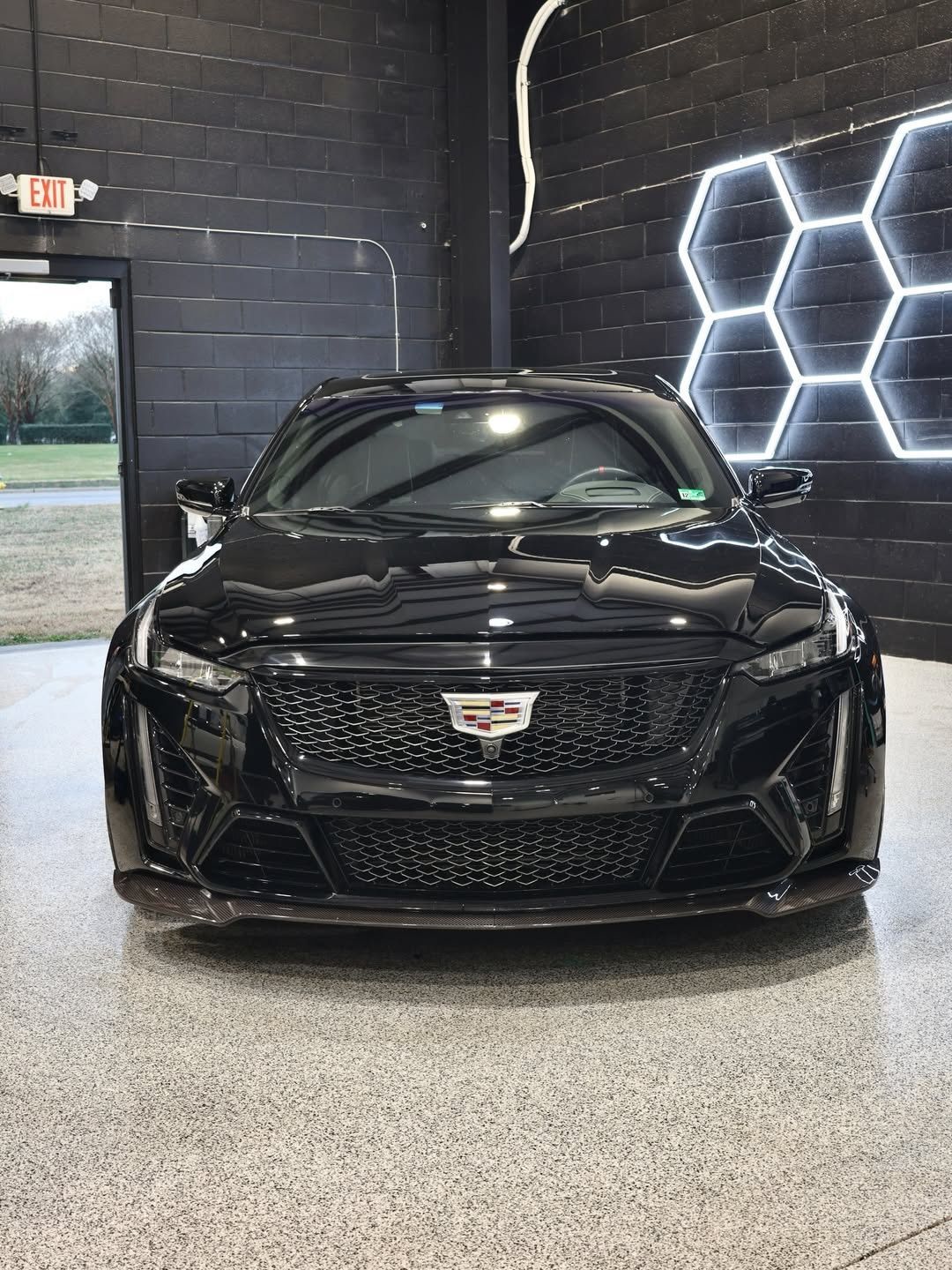
Learn the top benefits of paint protection film for rock chip defense, UV protection, easier cleaning, and resale value. Visit Davis Details in Virginia Beach, VA.
Discover how STEK NEX graphene window tint film improves comfort, blocks heat and UV rays, and enhances your driving experience. Installed by Davis Details.
