
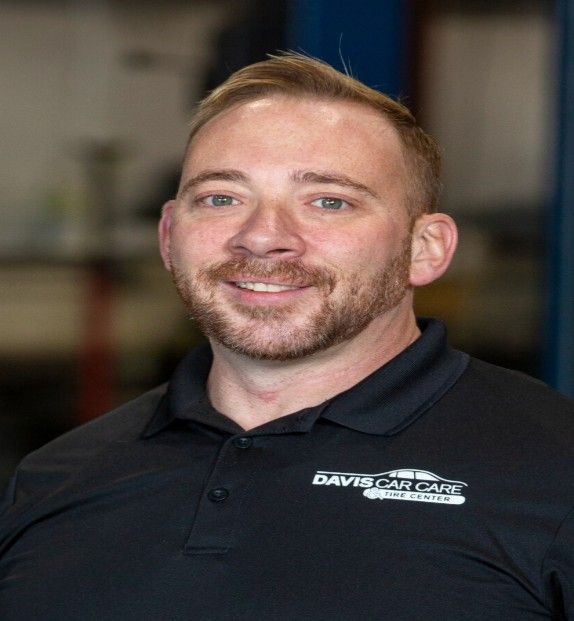
Kyle Davis is the owner of Davis Car Care and Tire Center/Davis Details, with 17 years of experience in the automotive field. As an ASE-certified professional, Kyle is known for his leadership, financial savvy, and commitment to providing transparent, fair pricing in the auto detailing industry. His business philosophy emphasizes customer trust and strong business practices.
How to Maintain Ceramic Coating for Long Lasting Results: A Guide
July 21, 2026
Ceramic coating maintenance is the process of cleaning, protecting, and caring for a ceramic-coated vehicle using proper washing techniques, pH-neutral products, and regular inspections. Although ceramic coatings provide exceptional protection against contaminants, UV exposure, and environmental damage, they still require ongoing maintenance to preserve their hydrophobic performance, gloss, and durability. Following a proper ceramic coating maintenance routine helps maximize the coating's lifespan while keeping your vehicle looking cleaner and newer for years. If you have invested in professional ceramic coating, you already understand its value. It creates a durable protective layer that bonds with your vehicle's paint and offers far better protection than traditional waxes or sealants. However, many owners mistakenly believe ceramic coatings are maintenance-free. In reality, even the highest-quality coatings perform best when properly maintained.
For drivers in Virginia Beach, VA, regular maintenance is even more important. Coastal humidity, salty air, road grime, pollen, bird droppings, tree sap, and seasonal weather all place additional stress on your vehicle's exterior. A consistent maintenance routine helps prevent contaminants from reducing the coating's water-repelling abilities and overall appearance.
At Davis Details, we help Virginia Beach vehicle owners protect their investment with premium ceramic coating packages designed for long-term performance. Every installation includes professional paint preparation, careful hand application, and controlled curing to ensure the coating bonds correctly. Whether you choose our 2-year, 6-year, or 10-year ceramic coating package, following proper ceramic coating maintenance allows you to enjoy maximum protection, easier cleaning, and exceptional gloss throughout the coating's lifespan.
What Is Ceramic Coating Maintenance and Why Does It Matter?
Many people assume ceramic coatings eliminate the need for vehicle care. That is one of the biggest misconceptions in automotive detailing. Ceramic coatings significantly reduce maintenance, but they do not replace it. Ceramic coating maintenance refers to the routine care performed after installation to preserve the coating's protective qualities. This includes regular washing, removing contaminants before they become permanent, avoiding harmful chemicals, and scheduling periodic inspections when necessary.
Unlike wax, ceramic coatings chemically bond to your vehicle's clear coat. This creates a durable sacrificial layer that helps resist environmental contaminants while making the surface much easier to clean. However, over time, dirt, minerals, traffic film, hard water deposits, and airborne contaminants begin to accumulate on top of the coating instead of directly on the paint. If these contaminants remain on the surface for extended periods, they can reduce hydrophobic performance and make the coating appear less effective even though the coating itself may still be intact.
How to Maintain Ceramic Coating for Long-Lasting Results (Step-by-Step Guide)
Proper ceramic coating maintenance is not complicated, but it does require consistency. A simple routine performed at the right intervals will keep your coating performing as intended while preserving its gloss, hydrophobic properties, and protective qualities. The goal is not to wash your vehicle every day. Instead, it is to remove contaminants before they have the chance to affect the coating.
Following a structured maintenance process also protects your investment. Whether you selected a 2-year, 6-year, or 10-year ceramic coating package from Davis Details, these best practices will help maximize its lifespan.
Step 1: Wash Your Vehicle Regularly
The foundation of every ceramic coating maintenance routine is regular washing. Dirt, road film, pollen, bird droppings, bug residue, and airborne contaminants build up over time. Although ceramic coatings prevent many contaminants from bonding tightly to the paint, they should still be removed promptly. For most vehicles in Virginia Beach, VA, washing every one to two weeks is a good starting point. If your vehicle is parked outdoors, driven daily, or exposed to coastal salt air, more frequent washing may be beneficial.
Waiting several weeks between washes allows contaminants to accumulate, making them harder to remove and reducing the coating's water-repelling performance. Factors That Affect Washing Frequency:
Your ideal washing schedule depends on several factors, including:
- Daily driving habits
- Outdoor versus garage parking
- Coastal salt exposure
- Tree coverage
- Seasonal pollen levels
- Construction zones
- Highway driving
Drivers who frequently travel along the Virginia Beach coastline often benefit from more frequent maintenance because salt particles and moisture can settle on exterior surfaces.
Step 2: Use a pH-Neutral Car Shampoo
One of the most common mistakes is using household soaps or harsh detergents. These products are not designed for automotive finishes and can leave residues that interfere with ceramic coating performance. Instead, choose a high-quality pH-neutral automotive shampoo. These products safely remove dirt while preserving the coating's hydrophobic properties.
A quality ceramic-safe shampoo will:
- Lift dirt without damaging the coating
- Rinse clean without leaving residue
- Help maintain water-beading performance
- Preserve surface gloss
- Reduce unnecessary wear
Using the right products ensures your ceramic coating continues performing the way it was designed.
Step 3: Follow the Two-Bucket Washing Method
Even though ceramic coatings make washing easier, proper technique still matters. The two-bucket wash method helps minimize the chance of introducing swirl marks during routine cleaning.
The process is simple:
- Fill one bucket with clean water.
- Fill the second bucket with shampoo solution.
- Rinse your wash mitt after each section.
- Reload the mitt with fresh soap.
- Continue washing from the top of the vehicle downward.
This approach prevents dirt from being repeatedly transferred back onto the paint. Starting with cleaner areas before moving toward lower panels also reduces the risk of dragging abrasive particles across the surface.
Step 4: Use High-Quality Wash Tools
Your washing equipment matters just as much as your washing products. Cheap sponges or rough brushes can trap dirt and increase the chance of creating swirl marks. Instead, choose premium detailing tools designed for ceramic-coated vehicles.
Recommended tools include:
- Premium microfiber wash mitts
- Soft microfiber drying towels
- Dedicated wheel cleaning towels
- Foam cannon or foam sprayer
- Grit guards for wash buckets
Microfiber materials help lift contaminants safely while reducing friction against the coating. Replacing worn towels regularly also helps maintain a safer washing process.
Step 5: Dry the Vehicle Immediately
Allowing water to dry naturally may seem harmless, but it can leave behind mineral deposits that affect the coating's appearance. Virginia Beach water conditions, combined with warm temperatures, can cause hard water spotting if the vehicle air dries after washing. Instead, dry the vehicle immediately using a clean microfiber drying towel or a filtered air blower.
Proper drying offers several advantages:
- Prevents water spots
- Preserves gloss
- Maintains hydrophobic performance
- Reduces streaking
- Prevents mineral buildup
Drying thoroughly also gives you an opportunity to inspect the coating for contamination or areas that may require additional attention.
Step 6: Remove Bird Droppings and Bug Residue Quickly
Not every contaminant should wait until your next scheduled wash. Bird droppings, bug splatter, tree sap, and similar organic materials contain substances that can damage your vehicle's finish if left for extended periods. Although ceramic coatings provide an extra layer of protection, prompt removal is still recommended. Keep a small detailing kit inside your vehicle containing:
- Ceramic-safe quick detail spray
- Soft microfiber towel
- Clean water
- Disposable gloves if needed
Removing fresh contaminants early is much easier than trying to remove hardened residue later.
Step 7: Avoid Automatic Car Washes with Brushes
Automatic car washes remain one of the biggest threats to long-term ceramic coating performance. Many tunnel-style car washes use abrasive brushes that contact hundreds of vehicles every day. Those brushes often trap dirt and debris that can create fine swirl marks.
Instead, choose one of these options:
- Hand washing at home
- Touchless automatic washes
- Professional hand washing
- Professional detailing services
Touchless systems are generally safer because they rely on water pressure and detergents rather than physical brushes. Whenever possible, hand washing remains the preferred method for ceramic coating maintenance.
Step 8: Inspect Your Coating During Every Wash
Routine washing provides an excellent opportunity to evaluate how your ceramic coating is performing. Pay attention to how water behaves on the surface.
Healthy ceramic coatings typically display:
- Tight water beads
- Fast water sheeting
- Smooth surface feel
- Consistent gloss
- Easy dirt removal
If you notice reduced water beading in certain areas, the coating may simply have contamination sitting on top rather than actual coating failure. Professional inspections can help determine whether maintenance or decontamination is needed.
Step 9: Schedule Periodic Decontamination
Even with regular washing, microscopic contaminants gradually accumulate on ceramic-coated surfaces.
These include:
- Industrial fallout
- Brake dust
- Mineral deposits
- Iron particles
- Environmental pollution
Periodic decontamination safely removes these bonded contaminants without damaging the coating. Professional decontamination may involve specialized products that dissolve embedded contamination while preserving the ceramic layer underneath. Most vehicle owners benefit from occasional professional maintenance depending on driving conditions and local environmental exposure.
Step 10: Use Ceramic Coating Maintenance Products When Needed
Some ceramic coating manufacturers recommend maintenance sprays or toppers that help refresh hydrophobic performance. These products are not intended to replace the ceramic coating itself.
Instead, they help:
- Restore water behavior
- Improve gloss
- Add temporary slickness
- Support routine maintenance
Always use products compatible with your specific coating system. If you're unsure which maintenance products are appropriate, consult the installer who originally applied your ceramic coating.
Seasonal Ceramic Coating Maintenance Tips
Each season presents unique challenges for maintaining ceramic-coated vehicles in Virginia Beach, VA.
Spring
Spring often brings heavy pollen that quickly covers exterior surfaces. Frequent washing prevents pollen from accumulating and keeps the coating performing efficiently.
Summer
Strong sunlight, intense UV exposure, insects, and higher temperatures increase contamination. Wash more frequently and avoid allowing water to dry naturally on the vehicle.
Fall
Leaves, tree sap, and organic debris become more common. Prompt removal prevents staining and keeps the coating clean.
Winter
Although Virginia Beach winters are milder than many northern regions, road grime, moisture, and occasional deicing materials can still accumulate. Regular cleaning helps prevent buildup throughout the season.
Understanding How Ceramic Coatings Protect Your Vehicle
Professional ceramic coatings provide several important benefits that help preserve your vehicle's finish.
These include:
- Enhanced gloss and color depth
- Strong hydrophobic properties that repel water
- Resistance against UV exposure
- Easier removal of dirt and road grime
- Reduced oxidation over time
- Better resistance to environmental contaminants
- Simplified maintenance compared to traditional wax
These advantages make ceramic coatings one of the most valuable long-term investments for vehicle protection. However, these benefits remain strongest when supported by consistent ceramic coating maintenance. For example, many Virginia Beach drivers regularly encounter salt carried by ocean breezes. Salt deposits attract moisture and contaminants, making routine washing especially important for maintaining both the coating and the vehicle underneath.
Why Choose Davis Details for Professional Ceramic Coating in Virginia Beach, VA?
Choosing the right installer is just as important as choosing the right ceramic coating. Proper surface preparation, expert application, and controlled curing all play a significant role in how well your coating performs over time. At Davis Details, every ceramic coating service is completed with careful attention to detail, ensuring your vehicle receives a smooth, even application that delivers long-lasting protection and exceptional gloss.
Our ceramic coating packages are designed to meet different needs and budgets while providing professional-grade results. Whether you're looking for a dependable 2-year coating, enhanced 6-year protection, or our premium 10-year System X MaxG+ Ceramic Coating, every package begins with paint correction to create the ideal surface for coating adhesion. We also protect more than just your paint by coating automotive glass, exterior plastics, headlights, taillights, and, depending on the package, your wheels.
Virginia Beach's coastal environment exposes vehicles to salt air, UV rays, humidity, pollen, and road contaminants throughout the year. Our professional ceramic coating solutions are designed to help combat these local challenges while making routine ceramic coating maintenance easier and more effective. We also provide guidance on proper aftercare so you can maximize the life and performance of your investment.
Whether you drive a daily commuter, luxury vehicle, performance car, truck, or SUV, our goal is to help you enjoy a cleaner, glossier, and better-protected finish for years to come.
Conclusion
A professional ceramic coating is one of the best ways to preserve your vehicle's appearance, but achieving long-lasting results depends on consistent ceramic coating maintenance. Regular washing, proper drying techniques, prompt removal of contaminants, and periodic professional inspections all work together to maintain the coating's hydrophobic performance, gloss, and protective qualities. By following the maintenance practices outlined in this guide, you can extend the life of your coating and keep your vehicle looking its best throughout every season.
If you're considering ceramic coating or want expert advice on maintaining your existing coating, Davis Details is here to help. Our experienced team provides premium ceramic coating services for drivers throughout Virginia Beach, VA, using professional application techniques and high-quality coating systems designed for lasting performance.
Ready to protect your vehicle with professional ceramic coating or schedule expert maintenance? Contact Davis Details today for a free quote or call to learn more about our ceramic coating packages and keep your vehicle looking exceptional for years to come.
Discover 10 benefits of ceramic coating for cars, from lasting gloss to easier maintenance. Contact Davis Details in Virginia Beach for a free quote.
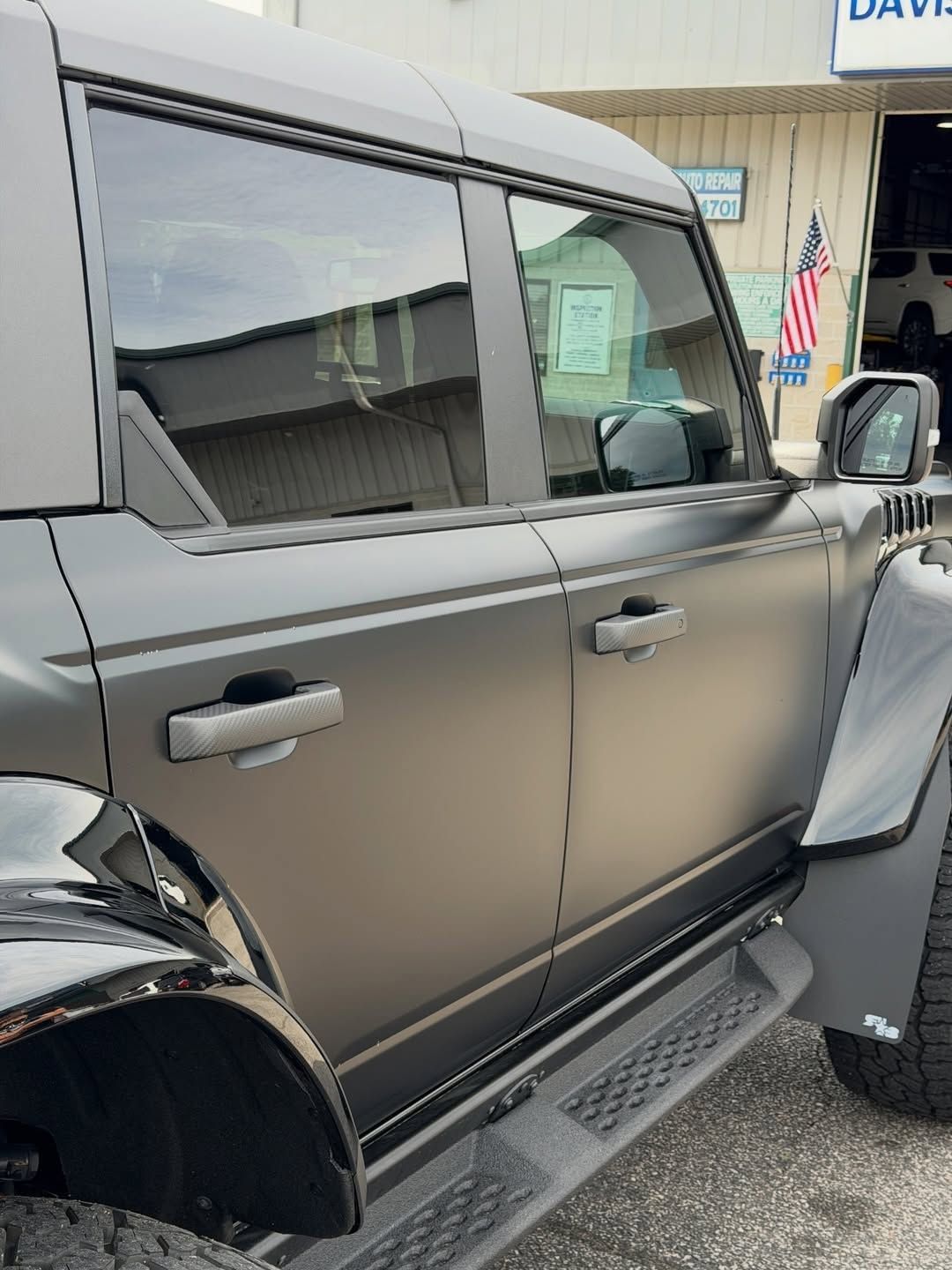
Find professional window tint in Virginia Beach with Davis Details. Learn how premium STEK films improve heat rejection, UV protection, glare, and comfort.
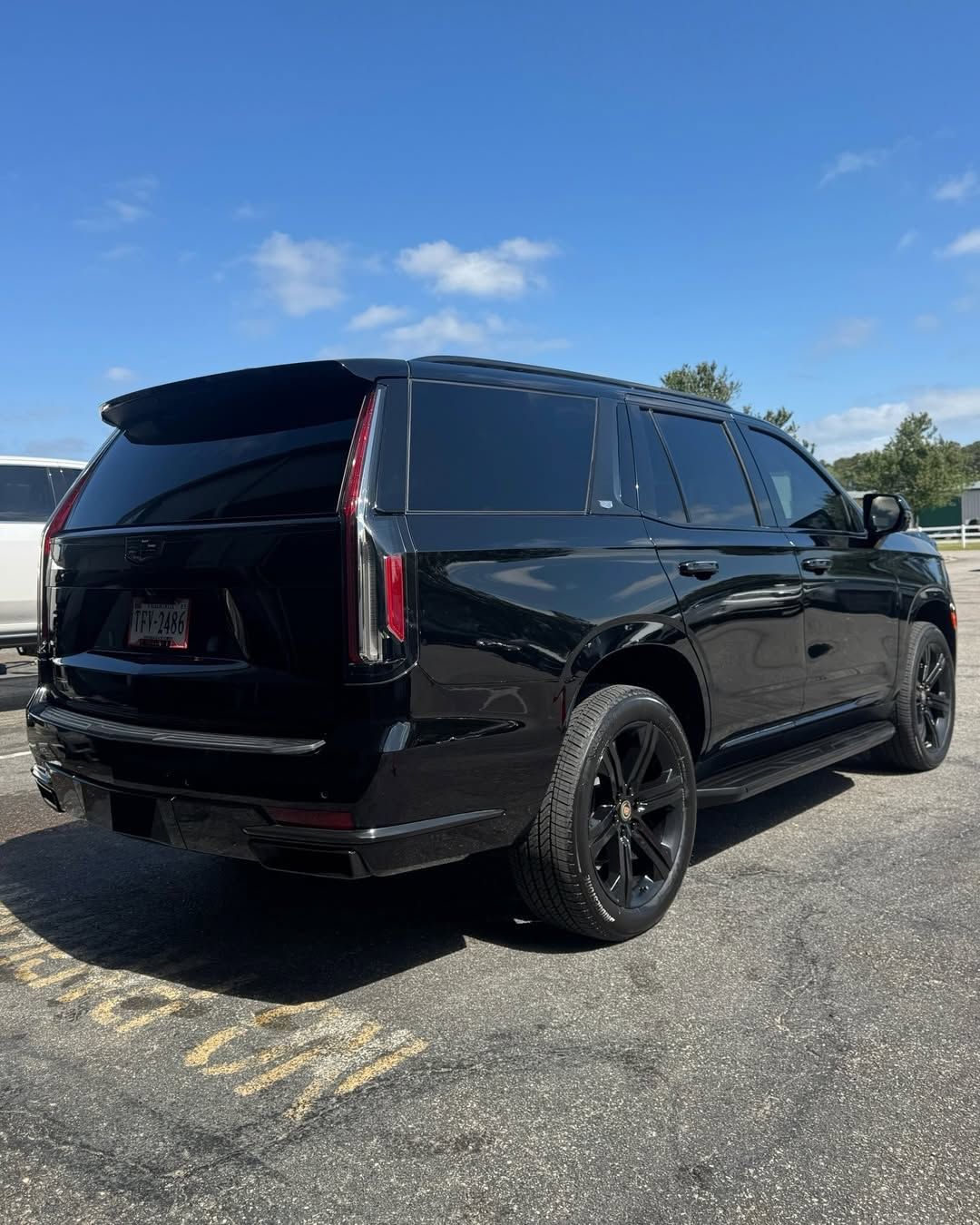
This guide explains the different types of window tint for cars, compares their performance, and helps you determine which option best suits your vehicle.
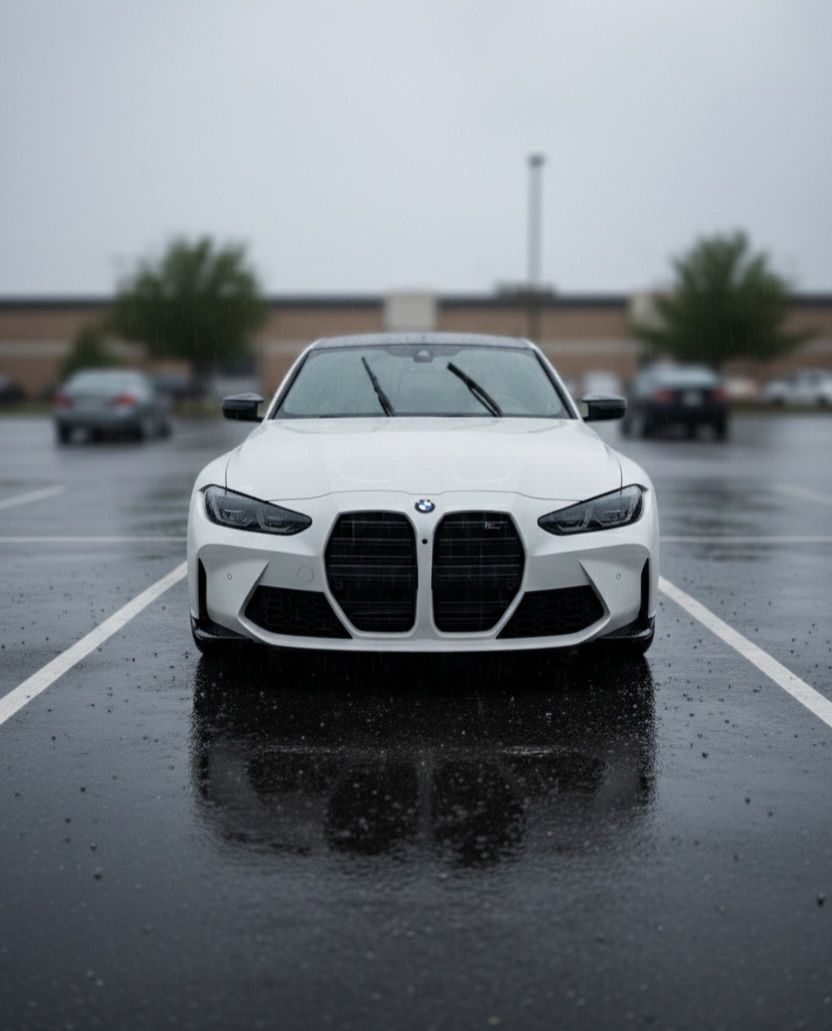
Discover the top 5 signs your vehicle needs paint protection film in Virginia Beach, VA. How PPF helps protect against rock chips, UV damage & daily road debris.
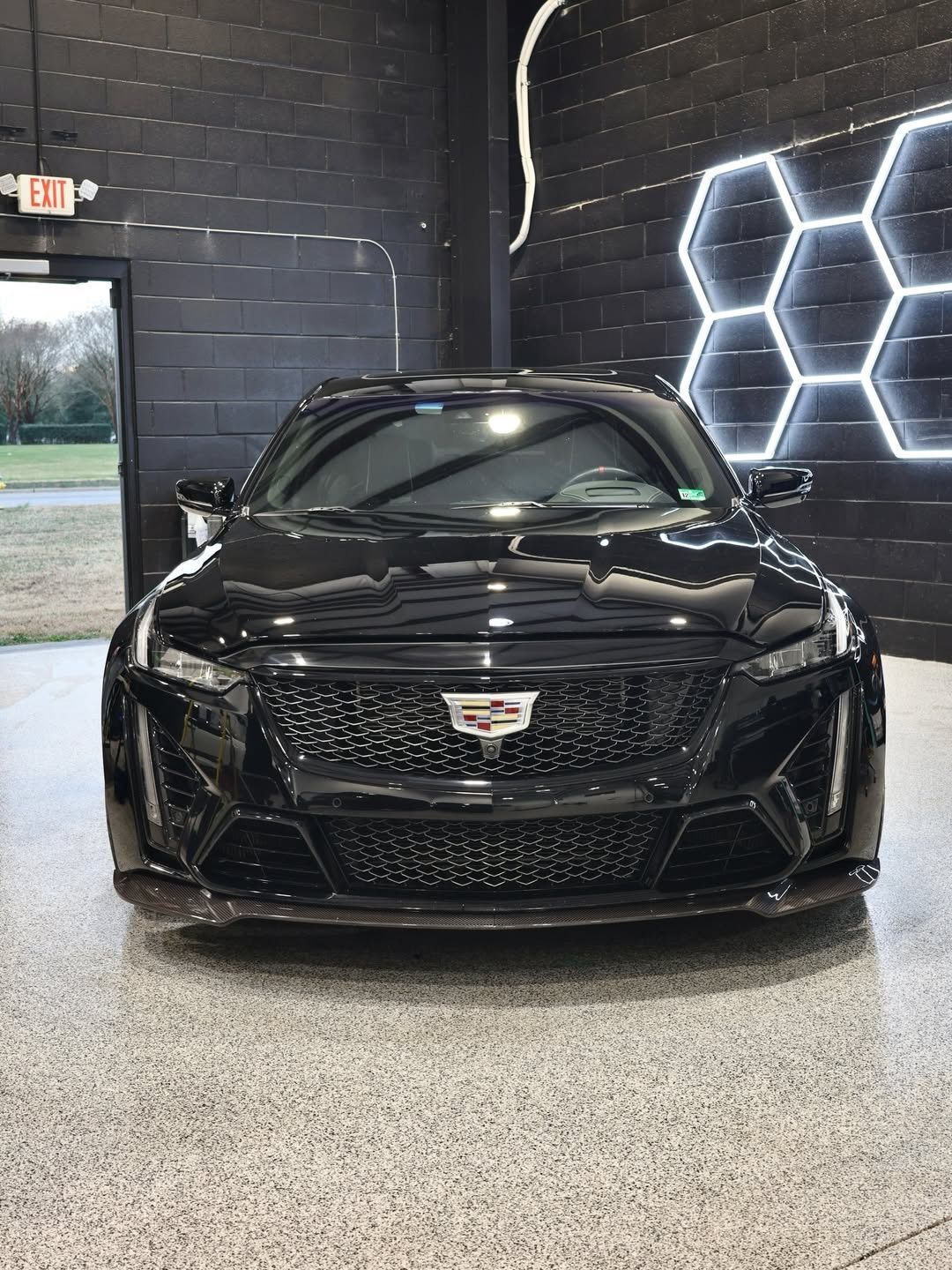
Learn the top benefits of paint protection film for rock chip defense, UV protection, easier cleaning, and resale value. Visit Davis Details in Virginia Beach, VA.
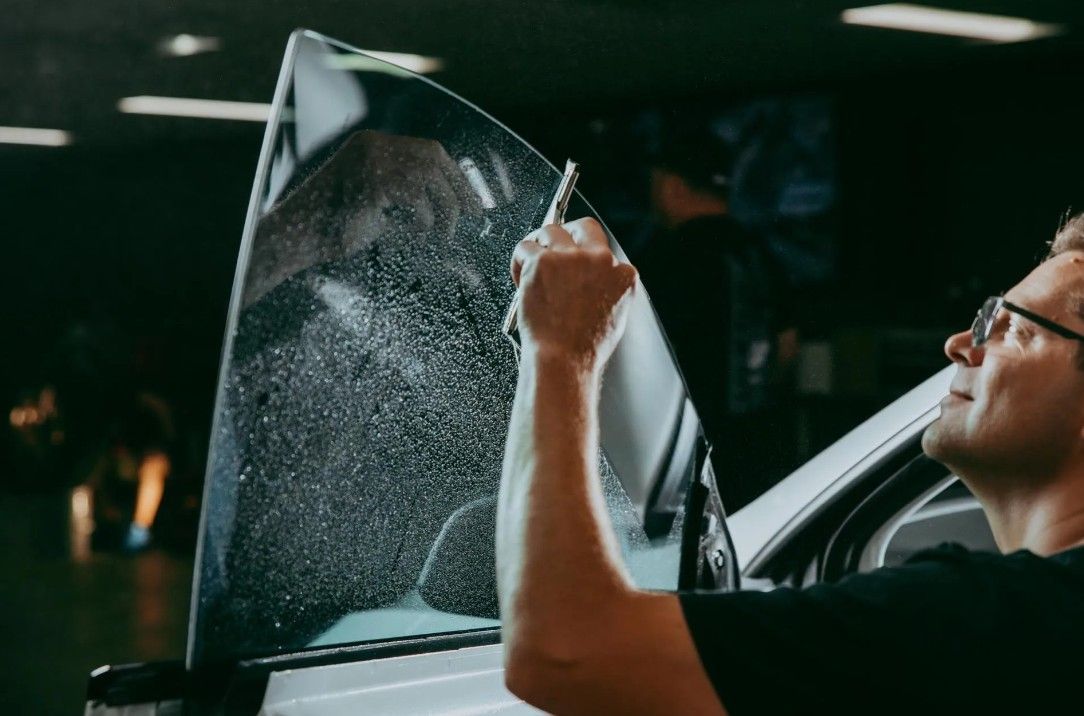
Discover how STEK NEX graphene window tint film improves comfort, blocks heat and UV rays, and enhances your driving experience. Installed by Davis Details.
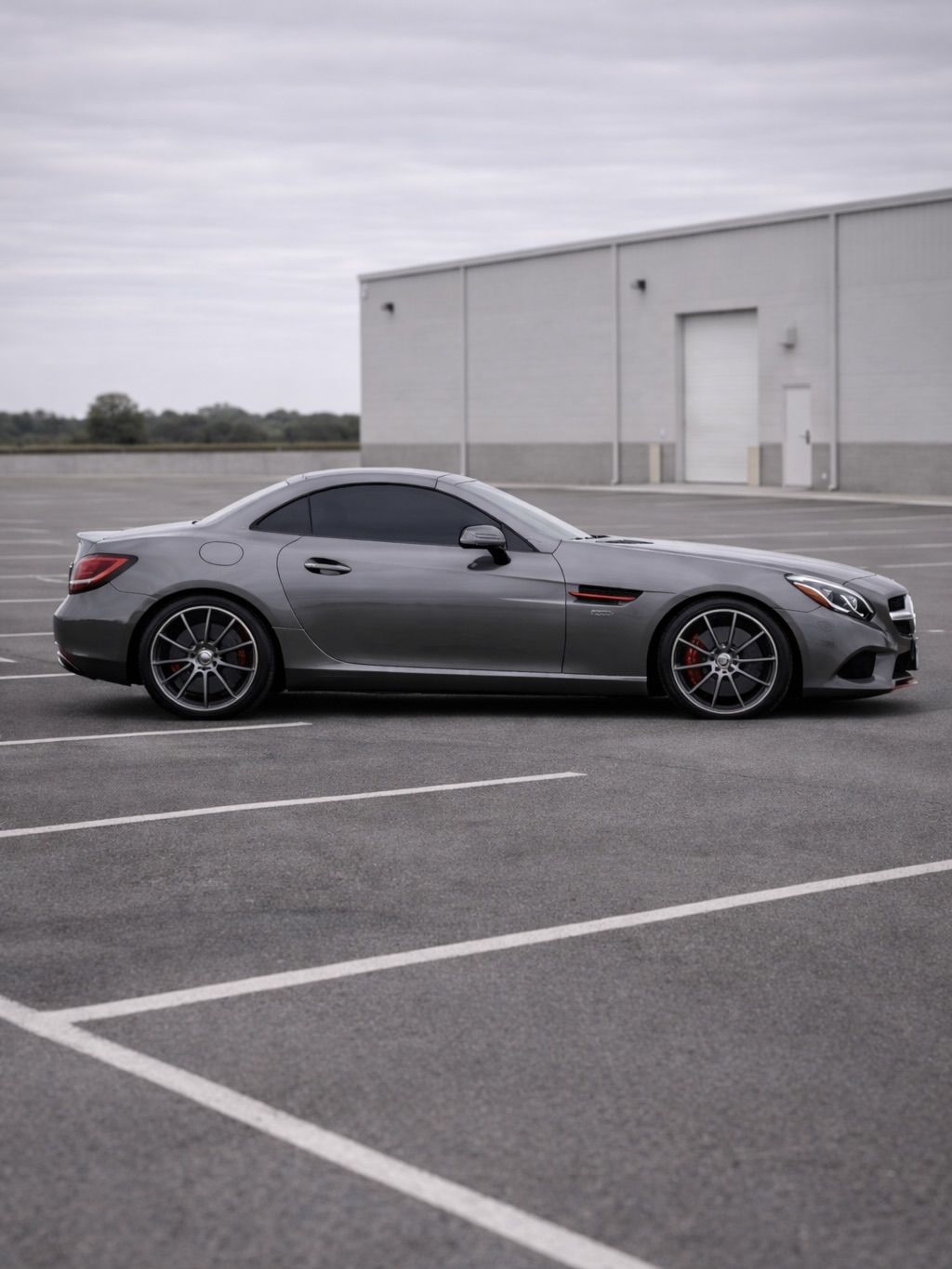
Discover the best Window Tint Film Services for UV Protection. Learn how tint blocks UV rays, reduces heat, and protects your car interior long term.
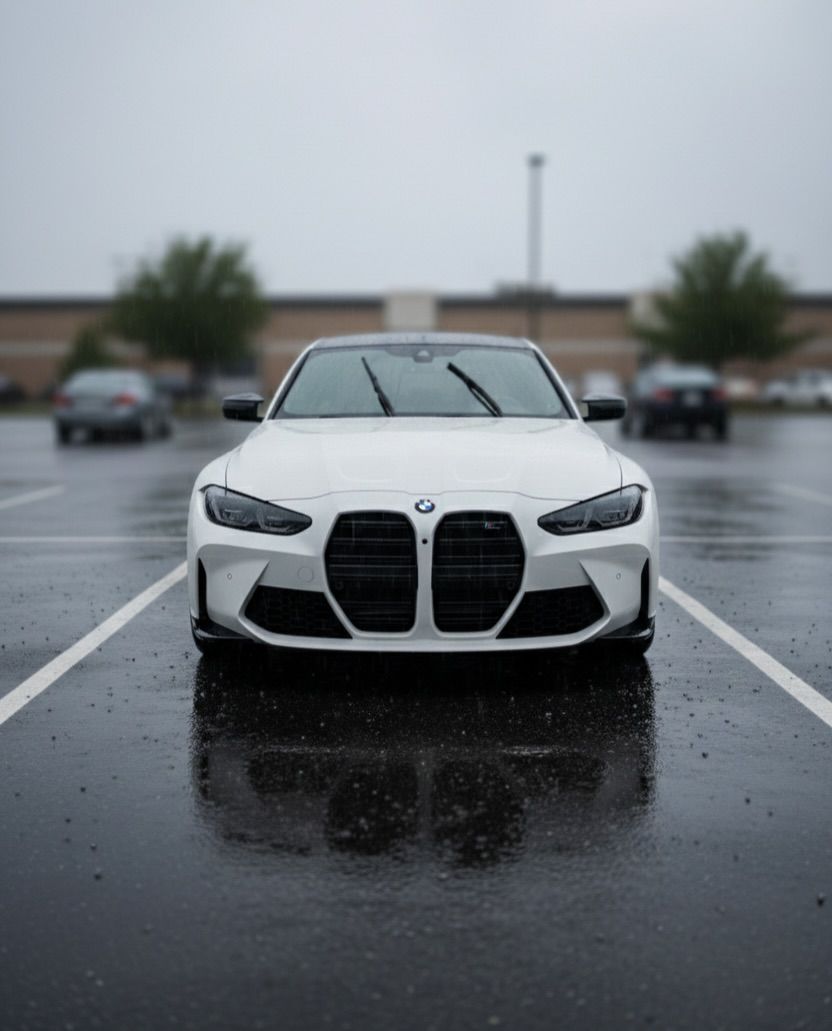
In this guide, we’ll break down why ceramic coating truly matters, why SiC technology is truly a strong option, and 10 key reasons first-time buyers choose it.
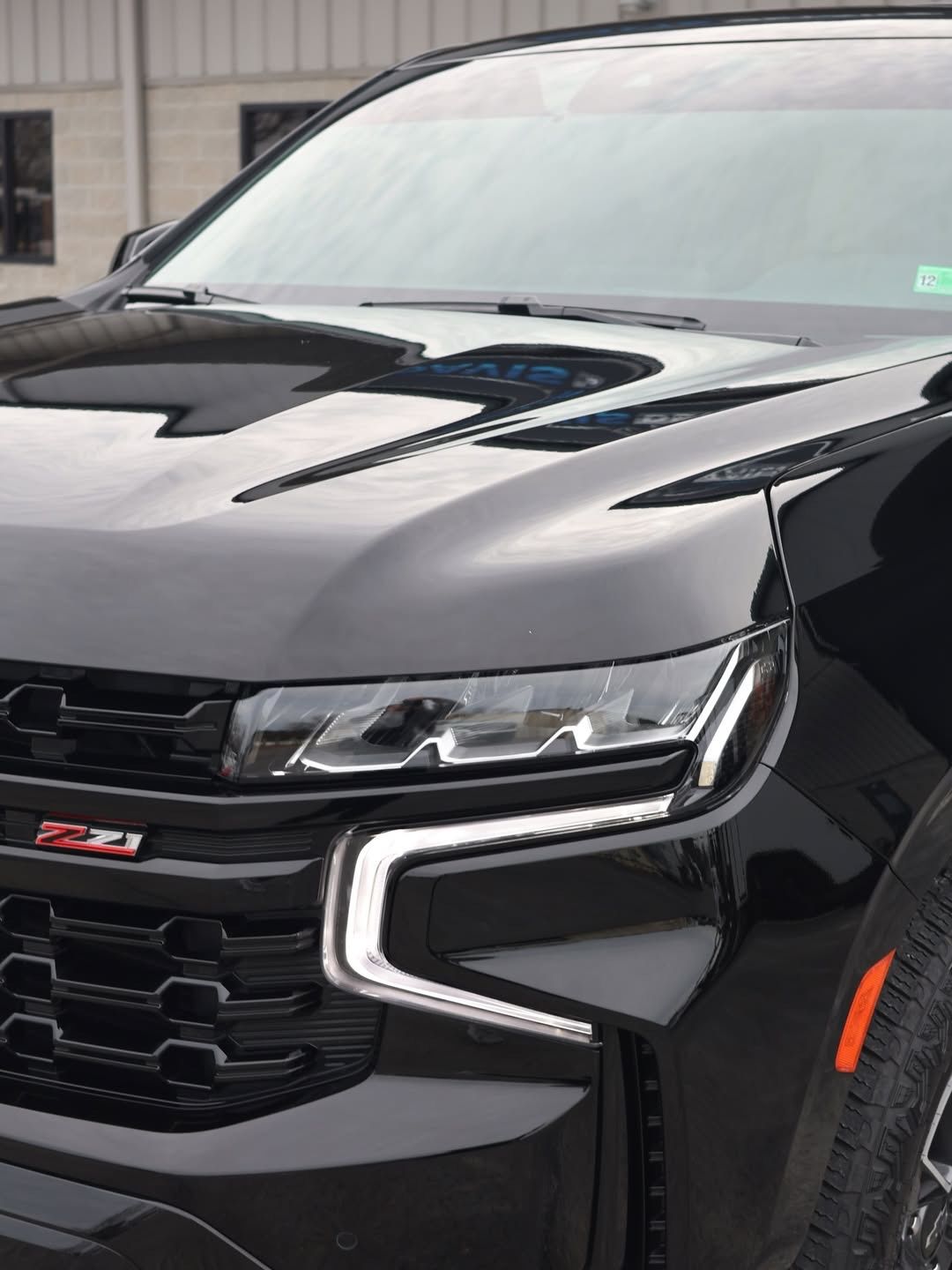
Learn what makes System X Pro+ Ceramic Coating different, including 1-step paint correction, full exterior coverage, and up to 6 years of protection and gloss.
Learn how self-healing PPF works and why it’s a smart Virginia Beach upgrade. Compare Davis Details PPF tiers, hydrophobic benefits, plus a strong 10-year warranty.
