
Kyle Davis is the owner of Davis Car Care and Tire Center/Davis Details, with 17 years of experience in the automotive field. As an ASE-certified professional, Kyle is known for his leadership, financial savvy, and commitment to providing transparent, fair pricing in the auto detailing industry. His business philosophy emphasizes customer trust and strong business practices.
Front Two Windows vs Full Vehicle Tint: Which Coverage Should You Choose?
October 20, 2026
When comparing front windows vs full vehicle tint, the best choice depends on what you want the tint to accomplish. Tinting only the front two windows can be a practical option for drivers who want better comfort, less glare, improved privacy, or a more consistent appearance with existing rear privacy glass. However, full vehicle window tint provides broader coverage across more glass surfaces, which can improve overall cabin comfort, UV resistance, glare control, and privacy for both front and rear passengers. For Virginia Beach drivers, the right choice often comes down to how much time the vehicle spends in the sun, how many passengers regularly ride in it, where it is parked, how much heat enters through the side and rear glass, and how much of the vehicle the owner wants covered.
That distinction matters because window tint coverage affects more than appearance. A vehicle with tint only on the front two windows still has untreated side and rear glass where heat, glare, and UV exposure can enter the cabin. On the other hand, some drivers may already have factory privacy glass on the rear windows and only want to improve the front-window appearance or comfort level. Others may decide that broader coverage makes more sense because they regularly carry children, passengers, pets, or heat-sensitive items in the back seats. The goal should be to choose coverage based on actual driving habits rather than assuming every vehicle needs the same setup.
At Davis Details, drivers in Virginia Beach can choose from several professional tint options based on the level of performance and coverage they want. For owners considering a premium ceramic film, STEK NEX window tint offers graphene-infused ceramic construction, up to 98% infrared heat rejection, UV resistance, glare reduction, and improved cabin comfort. Davis Details offers STEK NEX coverage for a window strip, front two windows, full windshield, and all sides plus the rear window. That range gives owners flexibility to choose targeted coverage or build a more complete tint package around the way they use their vehicle.
Front Two Windows vs Full Vehicle Tint: What Is the Main Difference?
The main difference between front windows vs full vehicle tint is how much of the vehicle's glass receives film and, as a result, how much of the cabin benefits from heat rejection, glare reduction, UV resistance, and added privacy. Tinting only the front two windows creates a more targeted solution around the driver and front passenger, while broader coverage extends those benefits to more of the passenger compartment. The right choice depends on how the vehicle is used, where passengers sit most often, whether the rear glass already has factory privacy treatment, and whether the owner's goal is front-seat improvement or more consistent whole-cabin performance.
Front Two Windows Tint
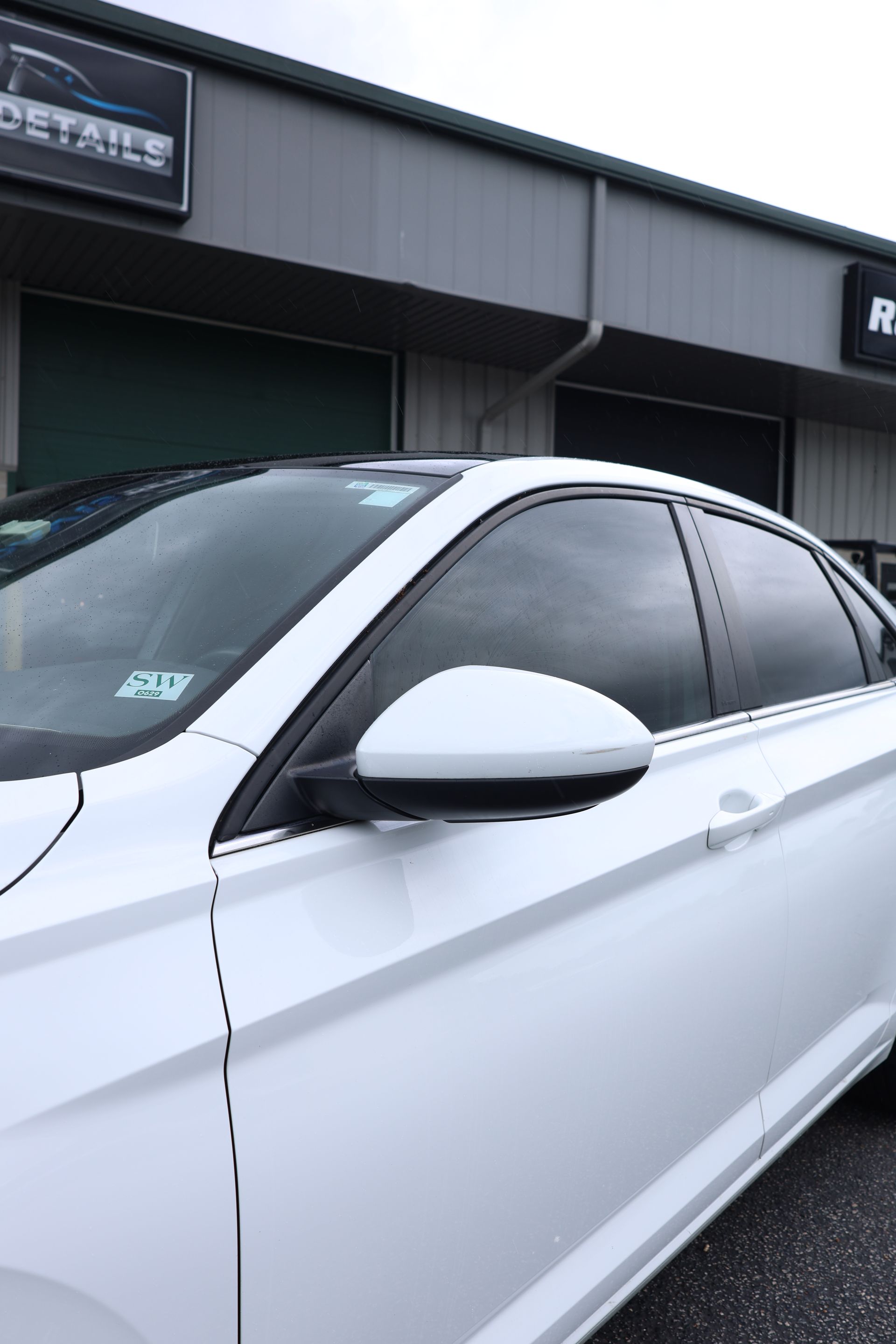
A front two windows tint package focuses specifically on the driver-side and front-passenger-side windows. This can improve comfort for the people sitting in the front seats by reducing direct sunlight, glare, and infrared heat entering through those side windows. It can also add privacy and create a more balanced exterior appearance when the rear windows already have darker factory privacy glass. For many trucks, SUVs, and crossovers, this appearance difference is one of the main reasons owners choose front-window tint. It allows the front glass to look more consistent with the rear while also adding the performance benefits of a professional window film.
At Davis Details, the STEK NEX package for the front two windows starts at $375. Because STEK NEX window tint is a graphene-infused ceramic film, the treated windows can benefit from up to 98% infrared heat rejection, UV resistance, and glare reduction. However, these benefits apply to the windows where the film is installed. If only the two front windows are tinted, the rear side glass and rear window remain outside that specific coverage. For drivers who mainly care about front-seat comfort, appearance matching, or a smaller initial investment, this focused approach can make sense.
Full Vehicle Window Tint
A full vehicle window tint approach covers substantially more glass and extends the benefits of the film across a larger part of the passenger compartment. At Davis Details, the STEK NEX all-sides-and-rear-window package starts at $835. This broader coverage can help reduce infrared heat, glare, and UV exposure through the rear side windows and rear glass in addition to improving privacy throughout more of the vehicle. It may be particularly useful for families, drivers who regularly carry passengers, owners of vehicles with large glass areas, or anyone who wants more consistent cabin comfort rather than concentrating performance only on the front seating area.
Broader window tint coverage can also matter when a vehicle spends long periods outdoors. Sunlight enters from different directions as the vehicle sits or moves throughout the day, so untreated rear and side windows can continue to allow heat and glare into the cabin even when the front windows are tinted. Full side-and-rear coverage does not prevent a parked vehicle from becoming warm, but it can create a more balanced level of heat rejection and UV resistance across more of the glass. Owners who want a more comprehensive solution may also choose to pair side-and-rear coverage with a windshield application.
When Front Two Windows Tint Makes Sense
A front two windows tint package can make sense for drivers who want a targeted improvement without tinting every side and rear window. In many cases, the front side glass is where the driver notices direct sunlight most often. Morning and afternoon sun can enter at an angle through the driver or passenger window and create discomfort around the arms, face, or upper body. Adding ceramic film to these two windows can reduce that direct exposure while also cutting some glare and providing a more private feel inside the front cabin.
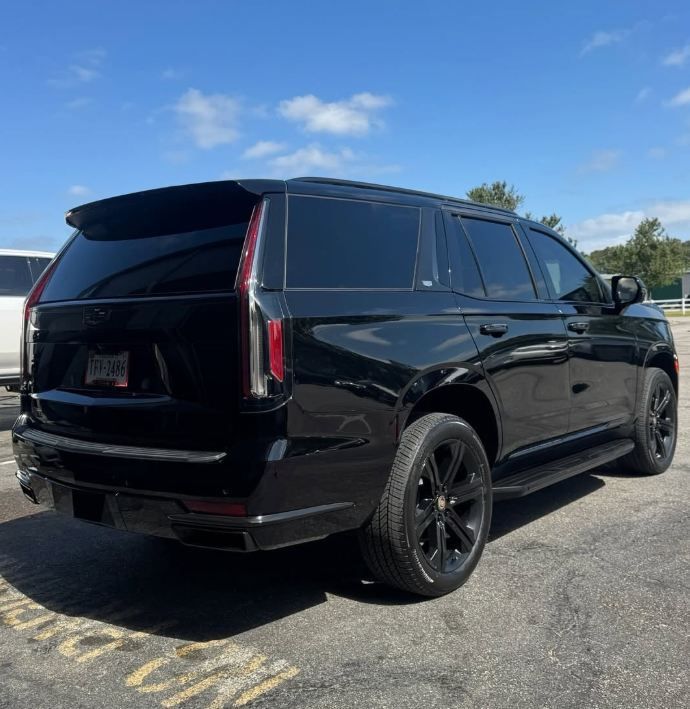
Another common reason owners choose front-only coverage is appearance. Many SUVs, trucks, and crossovers come with darker privacy glass behind the front doors. The front side windows may appear noticeably lighter by comparison. Tinting the front two windows can create a more uniform exterior look while also improving front-seat comfort. However, the selected tint percentage should still reflect visibility needs, local requirements, and the characteristics of the existing rear glass. Matching appearance does not necessarily mean the glass will have identical performance.
Front two window coverage may be a practical choice when:
- The vehicle already has factory privacy glass on the rear doors and cargo area.
- The driver and front passenger experience the most direct sunlight.
- The main goal is improving front-seat comfort and reducing side glare.
- The owner wants a lower starting investment than broader vehicle coverage.
- Rear-seat use is limited and full-cabin performance is not the main priority.
- The owner plans to add other tint areas later rather than completing everything at once.
At Davis Details, the STEK NEX window tint package for the front two windows starts at $375 based on the provided package information. For drivers who want the graphene-infused ceramic film's heat-rejection and UV-resistance benefits in the areas they use most, this package provides a focused way to add higher-performance film without moving immediately to broader coverage.
When Full Vehicle Window Tint Makes More Sense
A full vehicle window tint setup is often a better fit for owners who want more consistent performance across the entire cabin. The rear doors, quarter glass, and back window can represent a large portion of a vehicle's total glass area. Even if the front windows have high-performance film, untreated rear glass can still allow solar energy and glare into the passenger area. That may be particularly noticeable in SUVs, crossovers, sedans with large rear windows, and vehicles with expansive side glass.
Full coverage can also be more relevant for families and drivers who regularly carry passengers in the back. Rear passengers can experience direct sunlight just as front occupants do, especially during longer trips or when the vehicle changes direction throughout the day. Children in rear-facing or forward-facing seats, passengers who spend a lot of time in the back, and pets can all benefit from a cabin where tint performance extends beyond the front doors.
Broader window tint coverage may also appeal to owners who care about interior preservation. Automotive interiors include plastics, leather, vinyl, fabric, screens, trim, and other materials that receive repeated sunlight exposure through the glass. Ceramic tint can add another layer of UV resistance while helping reduce solar heat entering the cabin. Tint does not make interior materials immune to aging, but broader glass coverage can create a more complete approach to managing exposure.
Full vehicle tint may be the stronger fit when:
- Rear passengers regularly use the vehicle.
- The car sits outside for long periods in Virginia Beach.
- The vehicle has large side and rear glass areas.
- Cabin-wide comfort matters more than front-seat comfort alone.
- The owner wants more consistent glare and UV resistance throughout the vehicle.
- Privacy across the passenger and cargo areas is a priority.
- The owner wants a more uniform tint solution from front to rear.
For STEK NEX, the all-sides-and-rear-window package starts at $835 based on the details provided by Davis Details. Owners can also consider a full windshield application, which starts at $375, if they want to expand coverage further.
How Heat Rejection Changes With Window Tint Coverage
Heat rejection is one of the biggest reasons many drivers move from basic tint to ceramic film. STEK NEX window tint is designed to deliver up to 98% infrared heat rejection, which can help reduce the amount of infrared energy entering through treated glass. However, the overall cabin experience depends not only on the film's performance but also on how much of the vehicle's glass receives that film. If only the front two windows are tinted, those two pieces of glass gain the benefits of the ceramic film. However, solar energy can continue to enter through the windshield, rear side windows, and back glass if they are not treated with similar heat-rejecting film. For some drivers, this is perfectly acceptable because their main concern is the direct heat they feel through the front side windows. For others, it can create an uneven result where the front seating area feels improved but the rest of the cabin still receives significant heat from untreated surfaces.
Broader window tint coverage creates more consistency because more of the glass surfaces are addressed. This is especially important for vehicles that spend hours parked outdoors. When the entire vehicle sits in the sun, heat enters from multiple angles over the course of the day. Full side and rear coverage can reduce the amount of infrared energy entering through those surfaces, although no tint can prevent a parked vehicle from becoming hot after extended exposure.
How Glare, Privacy, and UV Resistance Affect the Decision
Heat rejection is important, but it is not the only reason to compare coverage options. Glare can affect comfort during daytime driving and can also become distracting when sunlight enters from the side. Tint on the front two windows can reduce glare that reaches the driver and front passenger through those specific windows. Full vehicle coverage extends glare reduction to passengers in other seating positions and can help reduce bright light coming from more directions.
Privacy is another factor, although tint should not be viewed as a security guarantee. Darker or more uniform tint can make it harder to casually see into parts of the vehicle, particularly from the side. This can create a more private feel for occupants and may reduce the visibility of items left inside. However, drivers should still remove valuables or keep them out of sight whenever possible. Tint adds privacy, but it should not replace basic theft-prevention habits.
UV resistance matters as well. Drivers spend a significant amount of time sitting near automotive glass, and repeated exposure adds up over years of ownership. Ceramic tint can help reduce UV exposure through treated windows. With front two windows tint, the driver and front passenger gain that benefit on the front side glass. With full vehicle window tint, rear passengers and more of the cabin benefit from treated side and rear windows as well.
The better choice is the one that addresses the areas where these issues actually occur.
How to Choose the Right Window Tint Coverage Step by Step
The easiest way to choose between front windows vs full vehicle tint is to start with your actual driving experience. Think about when and where you feel the most heat. If most of the discomfort comes through the driver and passenger side windows, front-only coverage may address your main concern. However, if the entire cabin becomes uncomfortable or if rear passengers regularly complain about heat and glare, broader coverage may provide more practical value.
Next, look at the existing glass. Some vehicles have factory privacy glass on the rear doors and cargo area. That darker appearance may reduce visibility into the cabin, but it should not automatically be treated as equivalent to high-performance ceramic tint. Ask what your existing glass does and whether adding film over those windows would provide additional heat or UV performance.
Then consider your ownership plans and budget. Drivers who plan to keep a vehicle for many years may place greater value on broader interior protection and cabin comfort. Others may prefer to start with the front two windows and add more coverage later. The goal is not to buy the most expensive package by default. The goal is to choose the coverage that solves the problems you actually care about.
A useful decision process is:
- Identify which windows create the most heat or glare.
- Decide whether rear-passenger comfort is a priority.
- Look at existing factory privacy glass.
- Consider how long the vehicle sits outside each day.
- Decide whether whole-cabin privacy matters.
- Compare the cost of targeted coverage with broader coverage.
- Ask how different tint percentages may affect appearance and visibility.
- Review whether windshield tint should be part of the overall plan.
This process helps drivers make a practical window tint coverage decision instead of choosing solely by appearance.
Comparing STEK NEX Front Two Windows With Broader Coverage
The STEK NEX package gives Virginia Beach drivers several ways to build their tint coverage around their needs. Based on the provided Davis Details package details, the front two windows start at $375. The all-sides-and-rear-window package starts at $835. A full windshield application starts at $375, while a window strip starts at $185. These options allow owners to select focused front-side coverage or combine multiple areas for a more complete ceramic tint setup.
The front-two-window package can offer excellent value when the owner already likes the appearance of the rear privacy glass and mainly wants better front-seat performance. In contrast, the all-sides-and-rear package provides broader protection across more of the passenger compartment. It may make more sense for an SUV or sedan used for family transportation, commuting, rides with rear passengers, or frequent road trips.
The biggest package decision factors include:
- Front-seat comfort versus whole-cabin comfort.
- Whether rear passengers use the vehicle often.
- How much of the existing glass already has privacy treatment.
- Whether heat rejection or appearance is the main goal.
- Whether the owner wants full-wheel? No, this is tint, so focus instead on side and rear coverage.
- How much the vehicle is parked outdoors.
- Whether a windshield application is being considered as well.
Because STEK NEX window tint is positioned as Davis Details' high-performance graphene-infused ceramic option, the primary difference between the coverage choices is where that film is applied and how much of the cabin receives its benefits.
Virginia Beach Driving Conditions and Window Tint Coverage
Virginia Beach drivers deal with a combination of bright sun, humid weather, warm summer conditions, coastal exposure, traffic, and changing sun angles throughout the day. A vehicle used for commuting can experience direct sunlight from several directions depending on the route and time. Someone driving east in the morning and west later in the day may notice very different glare and heat patterns from a driver whose commute runs north and south.
Parking conditions matter just as much. A car stored in a garage for most of the day may not need the same level of heat-management coverage as a vehicle that sits in an uncovered parking lot for eight hours. However, a frequently parked outdoor vehicle may benefit from broader coverage because sunlight reaches more than the front side windows while the car remains stationary.
Virginia Beach families should also think about passenger use. If children, relatives, or coworkers regularly sit in the back, a full side-and-rear setup may provide a more balanced cabin experience. On the other hand, a two-seat commuter or work vehicle may benefit enough from front coverage to satisfy the owner's main goals.
Drivers researching Window Tinting Services in Virginia Beach, VA should discuss these real-world factors before selecting a package. The best setup should reflect how the vehicle is driven, where it is parked, and who uses it.
Which Window Tint Coverage Should You Choose?
The best choice between front windows vs full vehicle tint depends on how much of the cabin you want to address. Front-two-window tint works well for drivers focused on driver and front-passenger comfort, appearance matching, and a lower starting investment. It can be especially practical when the rear glass already has factory privacy treatment and the owner mainly wants improved performance through the front side windows.
A full vehicle window tint setup makes more sense when cabin-wide comfort, broader UV resistance, rear-passenger protection, glare control, and privacy are more important. It can also be the stronger option for vehicles with large glass areas or for owners who spend a lot of time driving and parking outdoors. The additional coverage means more of the cabin benefits from the film rather than concentrating performance on only two windows.
For Virginia Beach drivers who want high-performance ceramic film, STEK NEX window tint offers up to 98% infrared heat rejection, UV resistance, glare reduction, and improved comfort through the windows where it is installed. The right package depends on whether you want targeted coverage, broader coverage, or a combination that includes the windshield as well.
Davis Details can help vehicle owners compare coverage based on actual driving habits, passenger use, vehicle design, existing privacy glass, and budget. Through professional Window Tinting Services, the team can explain the differences between front-two-window coverage, all-sides-and-rear coverage, windshield tint, and available STEK options so you can make a more informed decision instead of choosing by appearance alone.
If you want a tint setup that fits the way you actually drive, park, and use your vehicle, contact Davis Details to discuss the right window tint coverage for your vehicle in Virginia Beach, VA.

Compare 2-year, 6-year, and 10-year ceramic coating warranty options from Davis Details in Virginia Beach, VA. See which package fits your goals.
Compare System X Pro+ vs System X MaxG+ ceramic coatings in Virginia Beach. Learn differences in durability, warranties, and choose the right protection.
Compare Car-pro SiC vs System X Pro+ ceramic coatings for gloss, warranty, wheel coverage, and long-term protection in Virginia Beach. Find your fit today.
Is PPF worth it for long-term car ownership? Learn how paint protection film protects your vehicle and explore PPF options in Virginia Beach, VA.
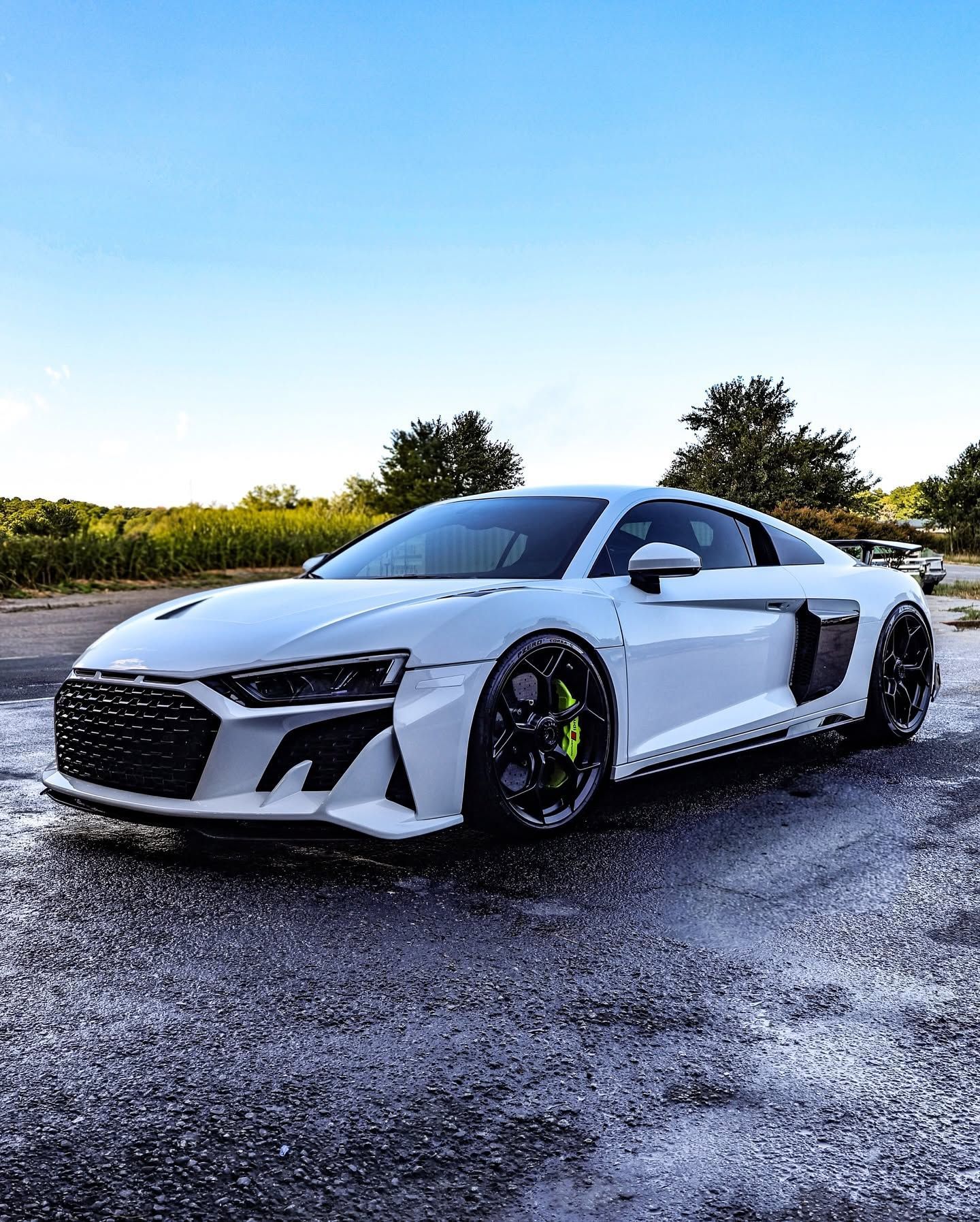
Compare partial front vs full front PPF for Virginia Beach daily drivers. Learn coverage differences, costs, and which Davis Details package fits your car.
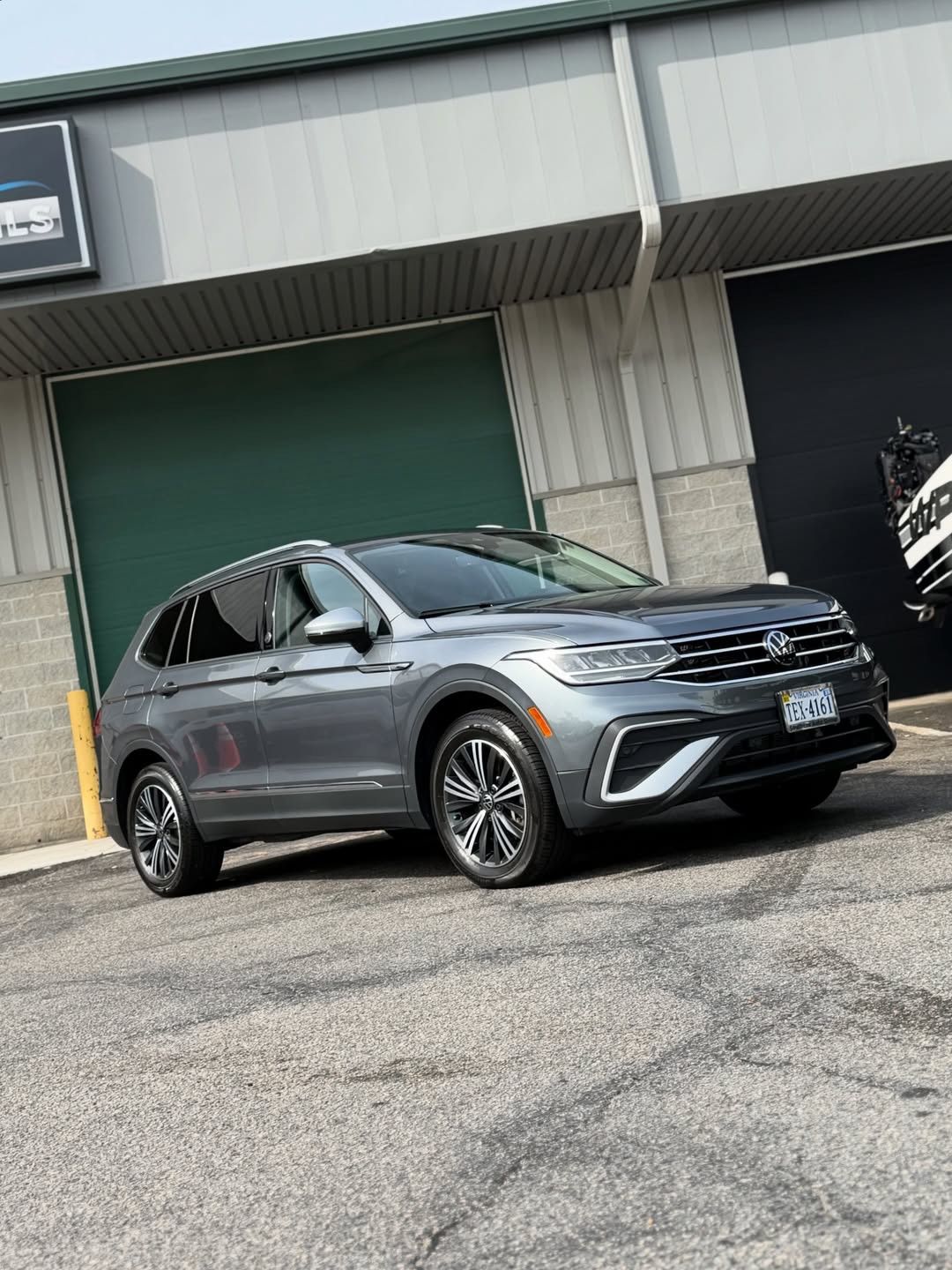
Learn how to maintain ceramic coating for long-lasting gloss, protection, and hydrophobic performance with tips from Davis Details in Virginia Beach, VA.

Discover 10 benefits of ceramic coating for cars, from lasting gloss to easier maintenance. Contact Davis Details in Virginia Beach for a free quote.
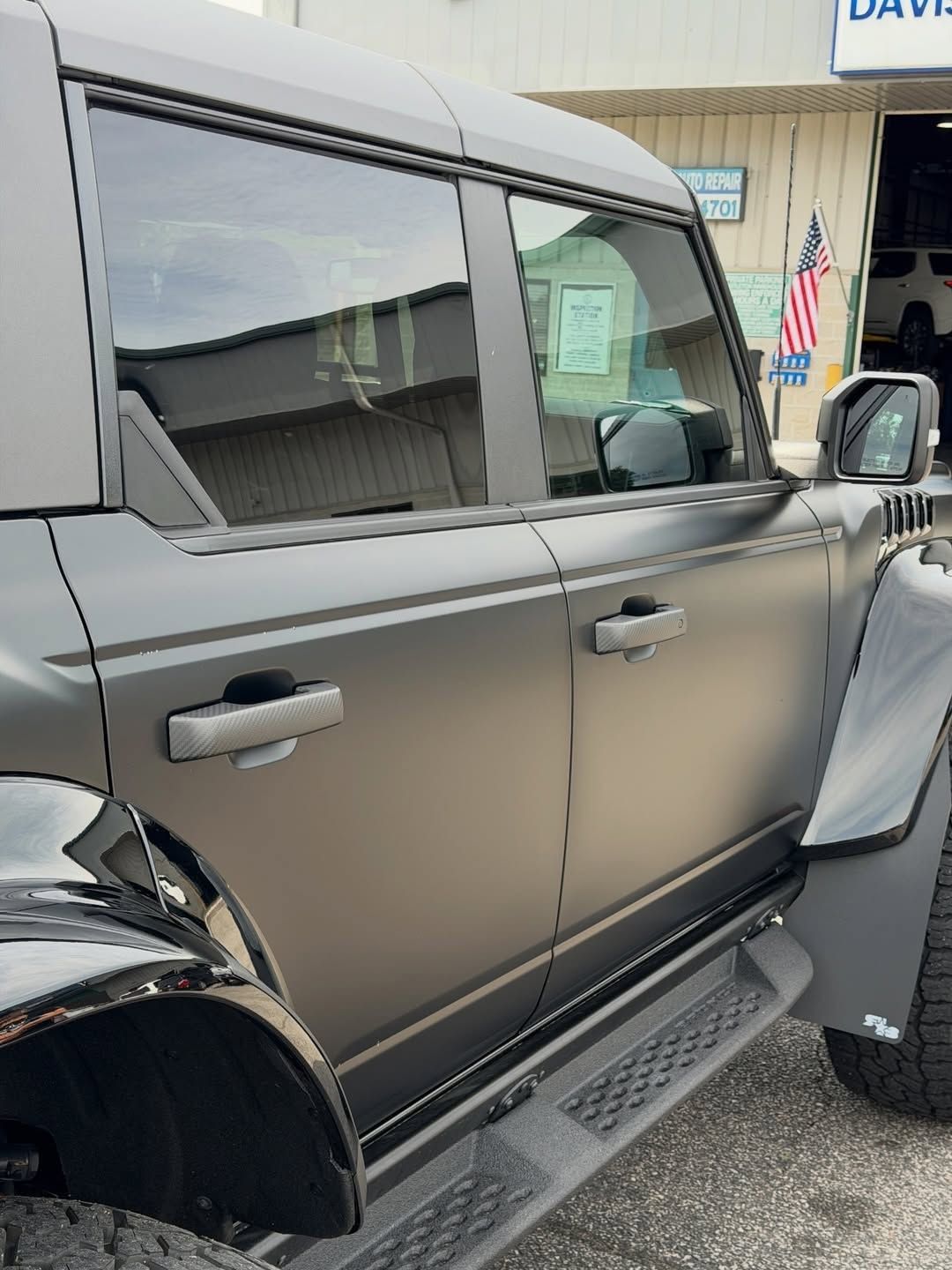
Find professional window tint in Virginia Beach with Davis Details. Learn how premium STEK films improve heat rejection, UV protection, glare, and comfort.

This guide explains the different types of window tint for cars, compares their performance, and helps you determine which option best suits your vehicle.
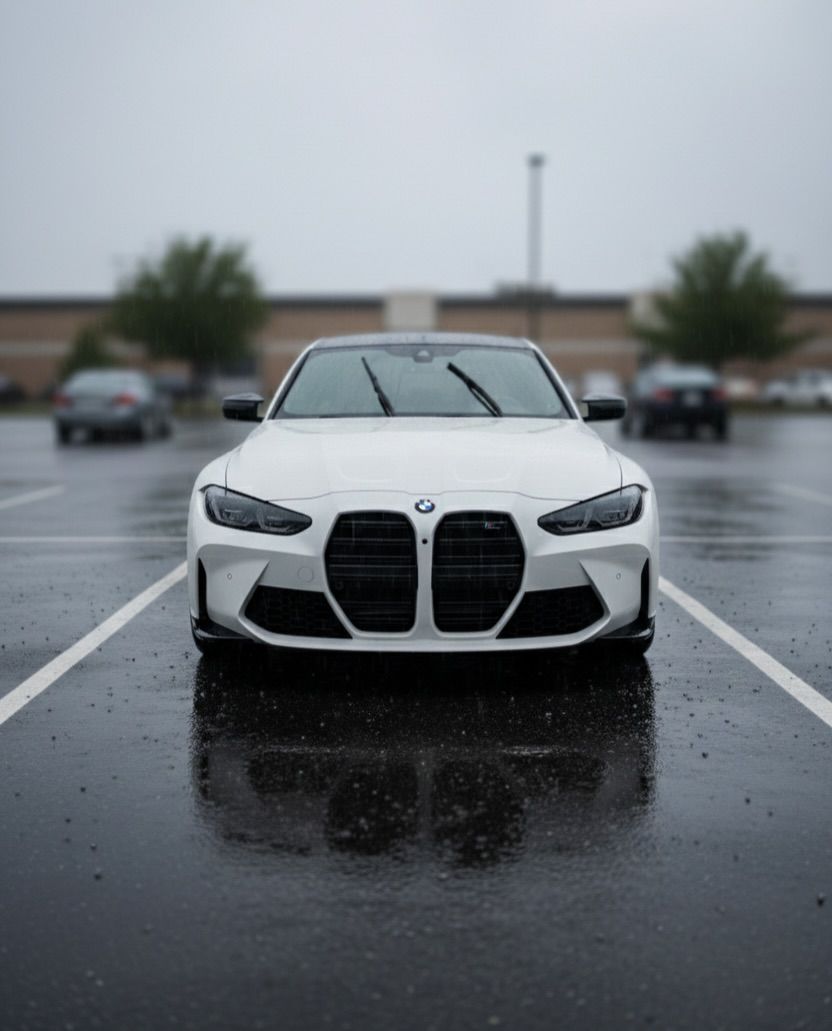
Discover the top 5 signs your vehicle needs paint protection film in Virginia Beach, VA. How PPF helps protect against rock chips, UV damage & daily road debris.
